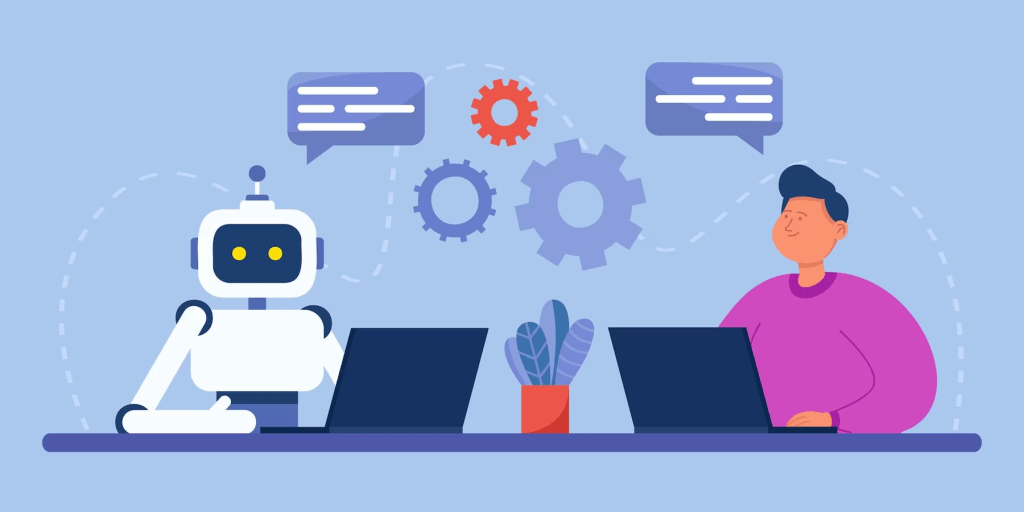
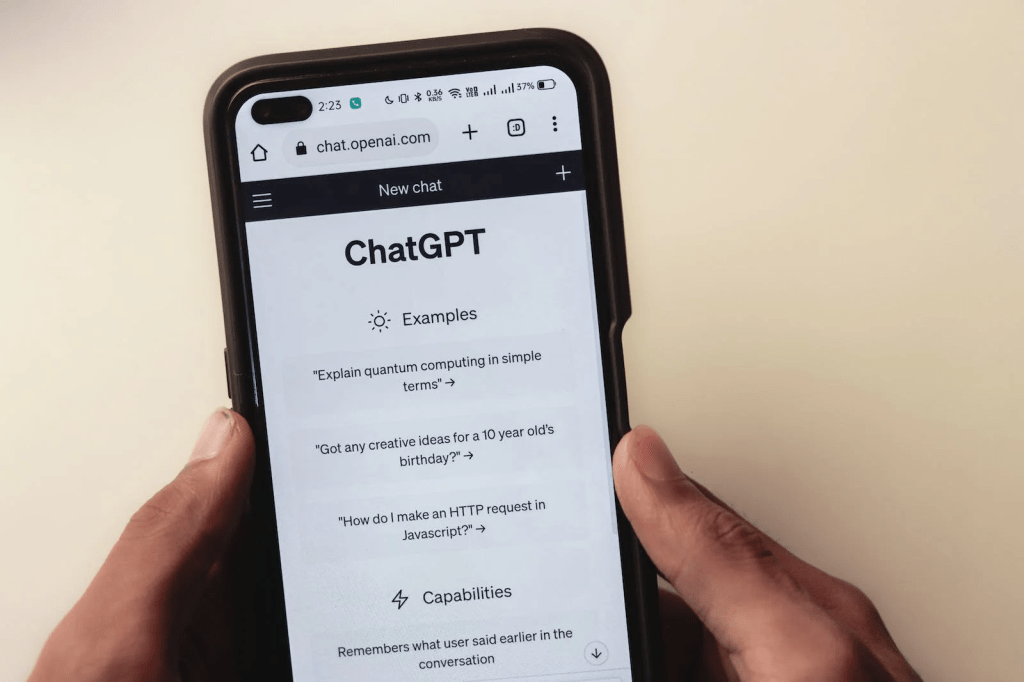
As businesses strive to create exceptional customer experiences, the integration of advanced AI solutions becomes pivotal. One transformative solution gaining prominence is the development of a personalized ChatGPT app, designed to cater specifically to the unique needs of enterprises. This article delves into the strategic advantages and the step-by-step process involved in building a personalized ChatGPT app.
The Strategic Advantages of a Personalized ChatGPT App
A personalized ChatGPT app provides enterprises with strategic advantages:
Precision in Conversations: Tailoring ChatGPT to industry-specific language ensures the app understands and responds with precision, leading to more accurate and contextually relevant conversations.
Brand Harmony: Infusing the ChatGPT app with the brand’s voice ensures a consistent and recognizable tone, aligning with the overall brand identity and creating a cohesive and personalized customer experience.
Workflow Integration: Personalized ChatGPT apps can be seamlessly integrated into existing workflows, providing valuable insights and enhancing operational efficiency.
Steps to Build Your Personalized ChatGPT App
Building a personalized ChatGPT app involves a systematic approach:
Clearly Define Objectives: Clearly articulate the objectives of your personalized ChatGPT app, focusing on industry terms, brand attributes, and workflow optimizations.
Data Customization: Curate a dataset that mirrors your enterprise’s communication patterns, including industry-specific language, customer interactions, and internal communication samples.
Engage Developers: Collaborate with developers to build a personalized ChatGPT app tailored to your objectives, ensuring it meets the specific requirements of your enterprise.
Test and Optimize: Rigorously test the app in various scenarios, optimizing it based on real-world feedback to continually enhance its capabilities and performance.
Strategic Impact on Enterprise Communication
A personalized ChatGPT app strategically impacts enterprise communication:
Elevated Customer Engagement: Tailored conversations contribute to enhanced customer engagement, satisfaction, and loyalty.
Operational Efficiency Gains: Integration into workflows streamlines processes, saving time and resources for improved operational efficiency.
Adaptability for the Future: Personalized ChatGPT apps remain adaptable, ensuring enterprises can navigate evolving industry landscapes and changing customer expectations.
Conclusion
In conclusion, the development of a personalized ChatGPT app is a game-changer for enterprises seeking to elevate their communication strategies. By tailoring this advanced AI technology to specific business needs, organizations can unlock new possibilities and stay at the forefront of innovation.
The legal industry, with its intricate processes and information-heavy nature, is undergoing a technological revolution. ChatGPT, a language model at the forefront of natural language processing, is proving to be a catalyst for change in legal businesses. In this article, we explore how ChatGPT is unlocking new possibilities and reshaping the operational landscape for legal professionals.
Revolutionizing Client Interactions
Client satisfaction is paramount in the legal sector, and effective communication is the key to achieving it. ChatGPT for legal businesses acts as a virtual assistant, providing immediate and contextually relevant responses to client inquiries. By integrating ChatGPT-powered chatbots into their communication channels, legal businesses can offer clients a responsive and informative experience, reinforcing trust and loyalty.
Legal professionals can customize ChatGPT to understand industry-specific terminology and nuances, ensuring that clients receive accurate and tailored information. This not only enhances client interactions but also positions legal businesses as tech-savvy and client-focused.
Empowering Legal Research
Legal research is a cornerstone of legal practice, and ChatGPT is a game-changer in this regard. Its ability to comprehend complex legal queries and swiftly analyze vast datasets makes it an invaluable tool for legal research. By harnessing ChatGPT, legal professionals can expedite the research process, access relevant case law and precedents, and stay ahead of legal developments.
The integration of ChatGPT into legal research workflows facilitates a more agile and informed decision-making process. Legal businesses can leverage this technology to gain a competitive edge in a rapidly evolving legal landscape.
Streamlining Operations Through Automation
Administrative tasks, though essential, can be time-consuming. ChatGPT offers a solution by automating routine administrative processes. From document generation to appointment scheduling, ChatGPT can handle repetitive tasks with efficiency and accuracy. This not only frees up valuable time for legal professionals but also reduces the risk of human errors in administrative workflows.
Legal businesses can implement ChatGPT-driven automation to optimize their operations, allowing their teams to focus on high-value tasks that require human expertise. This strategic use of technology enhances overall efficiency and productivity.
Embracing the Future with ChatGPT for Legal Businesses
In conclusion, ChatGPT for legal businesses is not just a tool; it’s a catalyst for positive change. By revolutionizing client interactions, empowering legal research, and streamlining operations through automation, ChatGPT is reshaping the way legal professionals work. As legal businesses embrace this technology, they position themselves at the forefront of innovation, ready to navigate the challenges and opportunities of the future. ChatGPT for legal businesses is not just a tool; it’s a strategic investment in a more efficient, client-centric, and technologically advanced legal practice.
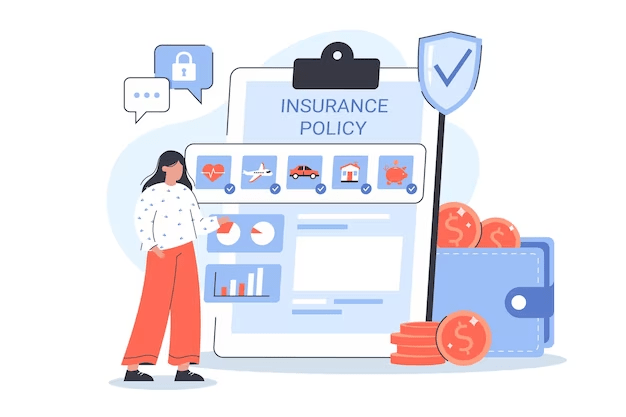
In the insurance industry, where personalized service and efficiency are paramount, ChatGPT for insurance emerges as a bridge between cutting-edge technology and customer-centric solutions. This innovative application of artificial intelligence is reshaping the insurance landscape, offering a seamless blend of advanced technology and personalized service.
The Essence of ChatGPT for Insurance
ChatGPT for insurance harnesses the capabilities of OpenAI’s GPT-3.5 architecture, creating intelligent virtual assistants capable of engaging in natural, human-like conversations. This innovation is redefining how insurers engage with their customers.
Elevating Customer Experiences with ChatGPT for Insurance
At the core of ChatGPT for insurance is the concept of customer service excellence. It offers instant responses to customer queries, clarifies complex policy details, and assists in the claims process. By integrating this technology into their digital platforms, insurers empower customers to access support and information 24/7.
Whether it’s explaining policy coverage, providing real-time quotes, or guiding customers through the claims process, ChatGPT transforms insurance interactions into fluid and accessible conversations.
Simplifying Claims Processing with ChatGPT for Insurance
Filing an insurance claim has historically been a cumbersome experience. However, ChatGPT for insurance simplifies this process by offering step-by-step assistance to claimants. It helps them compile the necessary documentation and information while providing updates on the claim’s progress.
From the insurer’s perspective, ChatGPT aids in claims assessment by providing valuable insights, enabling faster decisions and ensuring that customers receive their payouts promptly.
Empowering Risk Management with ChatGPT for Insurance
Accurate risk assessment is the foundation of the insurance industry. ChatGPT for insurance aids underwriters in this critical aspect by analyzing customer data to identify potential risks and patterns. This data-driven approach allows for more precise pricing and tailored coverage recommendations. Moreover, as the AI model continuously learns, it adapts to evolving market dynamics, ensuring insurers remain competitive.
Conclusion: Shaping the Future of Insurance with ChatGPT
The integration of ChatGPT for insurance is reshaping the insurance landscape by offering improved customer experiences, streamlining claims processing, and enhancing risk management. As insurers embrace this technology, they position themselves at the forefront of innovation, providing a harmonious blend of advanced technology and customer-centric solutions. ChatGPT for insurance is not just a tool; it’s a catalyst for the future of insurance services.
In the ever-evolving landscape of the hospitality industry, the integration of cutting-edge technologies is reshaping the way establishments cater to their guests. A prominent player in this technological revolution is ChatGPT, a sophisticated AI-powered chatbot designed to enhance guest interactions, streamline operations, and redefine the overall guest experience.
ChatGPT in Hospitality Industry
A Game-Changer in Guest Interactions
The hospitality industry has witnessed a significant transformation with the introduction of ChatGPT. This advanced chatbot, developed on the robust GPT-3.5 architecture, is not just a conversational tool; it’s a game-changer in guest interactions. ChatGPT in hospitality industry signifies the profound impact of this technology, emphasizing its role in elevating communication between guests and establishments.
From handling reservation inquiries to providing personalized recommendations, ChatGPT operates as a virtual concierge, ensuring round-the-clock availability. ChatGPT in hospitality industry signifies a commitment to leveraging advanced AI to meet the expectations of modern travelers who seek instant, personalized, and efficient services.
Efficiency Amplified: ChatGPT Streamlining Operations in the Hospitality Sector
Operational efficiency is a cornerstone of success in the hospitality sector, and ChatGPT plays a pivotal role in streamlining operations. Routine tasks such as reservation inquiries, check-ins, and basic customer queries are seamlessly handled by the chatbot. The integration of ChatGPT in the hospitality industry represents a strategic move to optimize processes, allowing human staff to focus on delivering personalized and intricate guest services.
ChatGPT in hospitality industry echoes the ongoing shift towards tech-driven operational excellence. By automating routine tasks, establishments can ensure a smoother workflow, reduce response times, and enhance overall efficiency.
Personalization Redefined: The Art of ChatGPT in Crafting Unique Guest Experiences
At the heart of exceptional hospitality lies the art of personalization, and ChatGPT excels in redefining this aspect. The chatbot analyzes guest preferences, understands historical interactions, and tailors recommendations accordingly. Whether suggesting personalized dining options, providing insights into local attractions, or customizing room amenities, ChatGPT adds a layer of individualized attention that enhances the overall guest experience.
ChatGPT in hospitality industry signifies a shift towards personalized guest services that go beyond the conventional. This technology enables establishments to craft unique experiences, fostering guest loyalty and positive reviews.
Seamless Integration: Implementing ChatGPT for Enhanced Guest Experiences
Implementing ChatGPT for enhanced guest experiences involves seamless integration into existing operations. Utilizing APIs and tailored plugins, businesses can embed the AI chatbot across various touchpoints, including websites, mobile apps, and messaging platforms. Customization ensures that ChatGPT in hospitality industry becomes synonymous with the brand’s commitment to technological innovation and superior guest services.
As the hospitality industry continues to embrace ChatGPT, the phrase ChatGPT in hospitality industry signifies not just a present solution but an ongoing commitment to staying at the forefront of technological advancements. With the potential to evolve and adapt to future needs, ChatGPT stands as a valuable asset in reshaping the landscape of guest services.
In the ever-evolving landscape of travel, technology continues to play a pivotal role in shaping the way we plan and experience our journeys. One groundbreaking innovation making waves in the tourism industry is ChatGPT, an advanced language model developed by OpenAI. ChatGPT in tourism is not just a tool; it’s a game-changer, revolutionizing how we explore the world. Let’s delve into the transformative impact of ChatGPT on the travel experience.
ChatGPT in Tourism: Your Intelligent Travel Companion
At the heart of the ChatGPT revolution is its role as an intelligent travel companion. Accessible through various platforms, including websites, mobile apps, and voice-activated devices, ChatGPT crafts personalized itineraries and offers real-time assistance, adapting to the unique preferences of each traveler. Whether you’re navigating through unfamiliar cities or overcoming language barriers, ChatGPT ensures a seamless and enriching travel experience.
Personalized Itineraries on the Go
One of the standout features of ChatGPT in tourism is its ability to craft personalized itineraries on the go. By analyzing user preferences, from preferred activities to culinary tastes, ChatGPT tailors travel plans that align seamlessly with individual desires. This ensures that each journey is not just a series of destinations but a curated experience tailored to the traveler’s interests.
Real-time Assistance Wherever You Are
Beyond itinerary planning, ChatGPT provides real-time assistance wherever you are in the world. Stuck in an unfamiliar neighborhood? ChatGPT offers navigation guidance. Encountering language barriers? ChatGPT acts as a language translator, breaking down communication barriers and enhancing your interactions with locals. This real-time support ensures that travelers have a reliable and intelligent companion throughout their journey.
Breaking Language Barriers and Unlocking Local Insights
ChatGPT in tourism goes beyond conventional language translation tools. Its ability to decipher and understand the nuances of language contributes to a more immersive travel experience. It doesn’t just translate words; it interprets cultural context, ensuring that travelers can engage meaningfully with locals. This not only facilitates communication but also opens doors to authentic local experiences.
Global Reach, Local Expertise
One of the strengths of ChatGPT is its global reach. It doesn’t just guide you through popular tourist spots; it unveils local gems and hidden treasures. By tapping into a vast database of information, ChatGPT provides insights into off-the-beaten-path attractions, local events, and cultural nuances that might go unnoticed by traditional travel guides.
Ethical Considerations: Privacy and Bias
As we embrace the benefits of ChatGPT in tourism, it’s crucial to address ethical considerations. Privacy concerns arise as the integration of AI in travel planning involves accessing personal data. Developers must prioritize robust security measures to safeguard user information. Additionally, the potential for algorithmic bias requires continuous scrutiny to ensure fair and inclusive travel assistance.
The Future of Travel: ChatGPT Leading the Way
Looking ahead, ChatGPT is poised to lead the way in shaping the future of travel. Its adaptive learning capabilities and continuous improvements in machine learning promise even more advanced and user-friendly features. Integration with augmented reality and wearable technology is on the horizon, offering travelers an enhanced and immersive exploration experience.
In Conclusion: ChatGPT Redefining the Travel Landscape
In conclusion, ChatGPT in tourism is not just a tool; it’s a transformative force that redefines the travel landscape. Its adaptability, personalized recommendations, and global reach make it an indispensable companion for modern explorers. As we embark on the future of travel, ChatGPT stands as a dynamic and intelligent travel partner, offering a glimpse into a more connected and enriched global adventure.
In the contemporary healthcare landscape, the integration of artificial intelligence (AI) is redefining how patients interact with healthcare information. At the forefront of this transformative wave is ChatGPT, an advanced language model designed to enhance communication between patients and healthcare providers. ChatGPT in healthcare is not just a tool; it’s a catalyst for more informed and patient-centric healthcare services.
ChatGPT for Healthcare: Revolutionizing Patient Conversations
ChatGPT leverages cutting-edge AI algorithms to create a conversational interface that bridges the gap between patients and complex medical information. In a traditional healthcare setting, patients often face challenges in understanding medical jargon. ChatGPT in healthcare acts as a conversational partner, allowing patients to engage in natural and intuitive discussions about their health, medical conditions, medications, and treatment options.
The impact of ChatGPT in healthcare on patient communication is significant. Patients, regardless of their familiarity with medical terminology, can now interact seamlessly with a system designed to interpret complex information in a user-friendly manner. This not only simplifies communication but also empowers patients to actively participate in discussions about their health.
Democratizing Access to Medical Knowledge: Empowering Patients with Information
A standout feature of ChatGPT in healthcare is its role in democratizing access to medical knowledge. Patients can turn to ChatGPT to receive accurate and evidence-based information about their health concerns. This democratization empowers patients to make informed decisions, understand their health conditions better, and engage in meaningful discussions with their healthcare providers.
The impact extends beyond patient interactions. Healthcare professionals, including physicians, nurses, and researchers, can leverage ChatGPT to access the latest medical research, explore treatment options, and collaborate on complex medical cases. This streamlined access to information enhances the efficiency and quality of healthcare services.
ChatGPT for Healthcare: Paving the Way for Patient-Centric Innovations
The potential applications of ChatGPT in healthcare are vast and promising. Envision a future where ChatGPT evolves into a comprehensive healthcare companion, providing personalized health insights, medication reminders, and even mental health support. This visionary use of AI has the potential to revolutionize healthcare delivery, making it more patient-centric and adaptable to individual needs.
Ethical Considerations in the Integration of ChatGPT in Healthcare
While embracing the possibilities of ChatGPT in healthcare, ethical considerations play a crucial role. Users must understand that ChatGPT is a tool for information and education, complementing but not replacing professional medical advice. The responsible integration of AI in healthcare involves collaboration between patients, healthcare providers, and technology developers to ensure ethical, accurate, and patient-centered use.
Conclusion
In conclusion, ChatGPT in healthcare is not just an advancement in technology; it’s a transformative force in patient communication and engagement. By redefining conversations, democratizing access to knowledge, and paving the way for patient-centric innovations, ChatGPT is shaping the future of healthcare into one that is more connected, informed, and patient-focused.
In the ever-evolving landscape of Information Technology (IT), innovation is the cornerstone of progress. Enter ChatGPT, a groundbreaking language model developed by OpenAI, heralding a transformative leap in how IT operates. This article delves into the applications and impact of ChatGPT for IT, unraveling its role in redefining customer support, streamlining development processes, and revolutionizing knowledge sharing.
1. Intelligent Assistance: ChatGPT for IT in Customer Support
In the realm of IT, customer support is elevated to new heights with ChatGPT. This language model powers intelligent chatbots, reshaping the customer support experience. ChatGPT for IT ensures that these chatbots engage users in meaningful conversations, providing personalized and real-time assistance. The result is a more efficient and responsive support system.
2. Accelerating IT Development: ChatGPT’s Role in Software Development
Software development, a critical aspect of IT operations, witnesses a paradigm shift with ChatGPT. Developers can harness the power of ChatGPT to generate code snippets, receive coding suggestions, and enhance documentation processes. This accelerates the software development lifecycle, fostering agility and innovation in IT projects.
3. Democratizing IT Knowledge: ChatGPT’s Contribution to Learning
Continuous learning is inherent in the IT industry, and ChatGPT contributes significantly by democratizing knowledge. Serving as a knowledgeable companion, ChatGPT provides insights into complex IT concepts through interactive tutorials and forums. This democratization ensures that learning in IT becomes accessible, engaging, and tailored to individual needs.
Conclusion
ChatGPT for IT is not just a tool; it’s a revolutionary leap that transforms customer support, accelerates software development, and democratizes knowledge sharing in the IT sector. Organizations embracing ChatGPT position themselves at the forefront of innovation, ready to navigate the future of Information Technology.
In today’s fast-paced digital world, businesses are constantly seeking innovative ways to engage with their customers. One of the most exciting developments in this space is the customization of ChatGPT, a powerful AI language model developed by OpenAI. In this article, we’ll explore the concept of a customized ChatGPT app and how it can revolutionize your business’s conversational AI strategies.
The Power of Customized ChatGPTApp
Before delving into customization, let’s briefly understand the potential of ChatGPT. It’s an AI model that has been trained on a vast amount of text from the internet, making it proficient in understanding and generating human-like text. This means it can engage in natural language conversations, answer questions, provide recommendations, and much more.
Why Customize ChatGPT?
While ChatGPT is a versatile tool out of the box, customization takes it to the next level. Here’s why you might want to consider a customized ChatGPT app for your business:
Tailored Responses: A customized ChatGPT can provide responses that are specific to your industry, products, or services. This ensures that your customers receive information that is relevant to them.
Branding and Personality: You can infuse your brand’s personality into ChatGPT, making it feel more like an extension of your business. Whether you want it to be formal, friendly, or quirky, customization allows for that.
Specialized Knowledge: Depending on your industry, you may need ChatGPT to have specialized knowledge. For instance, a healthcare ChatGPT can understand medical terminology, while a legal ChatGPT can assist with legal inquiries.
How to Build Your Custom ChatGPT App
Building a customized ChatGPT app involves several steps:
Data Collection: You’ll need to gather relevant data, including industry-specific conversations, FAQs, and information about your products or services.
Training: The collected data is used to fine-tune the base ChatGPT model. During training, you can specify the tone, style, and knowledge base you want your ChatGPT to have.
Testing and Refinement: It’s crucial to test your customized ChatGPT thoroughly. Ensure it responds accurately and consistently. Refinement may be necessary to iron out any issues.
Integration: Once your custom ChatGPT is ready, you can integrate it into your website, app, or customer support channels. This step may require the assistance of developers.
Benefits of a Customized ChatGPT App
The advantages of a customized ChatGPT app are manifold:
Improved Customer Engagement: With tailored responses and a personalized touch, customers are more likely to engage with your ChatGPT, leading to better user experiences.
Time and Cost Savings: ChatGPT can handle a wide range of inquiries, freeing up your human support staff to focus on more complex tasks.
Scalability: As your business grows, your customized ChatGPT can scale with it, providing consistent support to an increasing customer base.
ChatGPT for Hospitality: Revolutionizing Guest Services
The hospitality industry has always been defined by its commitment to exceptional guest experiences. In an era of rapid technological advancements, it’s no surprise that the sector is turning to artificial intelligence (AI) to further elevate these experiences. Enter ChatGPT, a powerful AI language model developed by OpenAI.
Personalized Guest Interactions
One of the hallmarks of a great hospitality experience is personalization. Guests appreciate it when their preferences are not just noted but anticipated. ChatGPT is a game-changer in this regard. By integrating a customized ChatGPT app into their operations, hotels and resorts can provide guests with highly personalized interactions.
Imagine arriving at a luxury hotel and being welcomed by a chatbot powered by ChatGPT. Instead of a generic greeting, the bot addresses you by name, asks if you have any specific requests, and even provides tailored recommendations for nearby attractions based on your interests. This level of personalization creates a lasting impression and fosters a sense of being valued.
Efficient Customer Support
In the hospitality industry, prompt and efficient customer support is vital. Guests may have inquiries about room availability, restaurant reservations, or even local transportation options. ChatGPT-powered chatbots excel in providing quick and accurate responses 24/7.
Whether a guest is seeking information about the hotel’s facilities or needs assistance with a particular request, the chatbot can offer instant help. This not only enhances the guest experience but also reduces the workload on human staff, allowing them to focus on more complex tasks.
Multilingual Support
Hospitality often caters to a diverse clientele, many of whom may speak different languages. ChatGPT’s language capabilities extend beyond English, making it an invaluable tool for hotels and resorts serving international guests. Multilingual chatbots powered by ChatGPT can bridge language barriers seamlessly.
Consider a scenario where a French-speaking guest arrives at a hotel in a non-French-speaking country. The chatbot can converse with the guest in French, ensuring clear communication and a more comfortable stay.
Enhanced Concierge Services
The role of a concierge in the hospitality industry is to assist guests with various tasks and recommendations. ChatGPT can be integrated into a hotel’s concierge service, offering an expansive knowledge base and real-time assistance.
For instance, a guest staying in a city they’re not familiar with can turn to the ChatGPT-powered concierge for restaurant recommendations, information about local events, or even directions to nearby landmarks. This not only enriches the guest’s stay but also contributes to positive online reviews and word-of-mouth recommendations.
Improved Booking and Reservation Processes
Efficient booking and reservation processes are essential for guest satisfaction. ChatGPT can automate these processes, making it easier for guests to secure their accommodations and services. Guests can book rooms, reserve tables at on-site restaurants, or even schedule spa treatments through chatbots powered by ChatGPT.
This streamlined approach eliminates the need for guests to navigate complex booking systems and significantly reduces the risk of errors. It also allows hotels to manage reservations more effectively, minimizing overbookings and ensuring a seamless experience for all guests.
Data-Driven Insights for Better Guest Experiences
ChatGPT doesn’t just facilitate guest interactions; it also generates valuable data. Hoteliers can analyze the conversations between guests and chatbots to gain insights into guest preferences, frequently asked questions, and areas where improvements are needed.
This data-driven approach allows hotels to continuously refine their services, tailor marketing strategies, and offer guests more of what they want. It’s a dynamic feedback loop that leads to ever-improving guest experiences.
ChatGPT for Information Technology: Revolutionizing Support and Knowledge Sharing
The information technology (IT) industry is no stranger to rapid change. With new technologies and challenges emerging constantly, IT professionals are always seeking innovative solutions to streamline operations and provide better support. ChatGPT, a cutting-edge AI language model developed by OpenAI, is proving to be a transformative force in the IT sector.
Efficient IT Support
One of the most critical aspects of IT operations is providing efficient and effective support to end-users. ChatGPT-powered chatbots are playing a crucial role in achieving this goal. These AI-driven bots can handle a wide range of IT-related inquiries, from troubleshooting common technical issues to guiding users through software installations.
Imagine a scenario where an employee encounters a software problem on their work computer. Instead of waiting for the IT helpdesk’s availability, they can chat with a ChatGPT-powered bot that provides step-by-step instructions to resolve the issue. This not only reduces downtime but also frees up IT personnel to focus on more complex tasks.
24/7 Availability
IT issues don’t always occur during regular business hours. Many problems arise when employees are working remotely or during late-night shifts. ChatGPT-powered bots are available 24/7, ensuring that users receive assistance whenever they need it, regardless of the time.
For IT departments, this continuous availability means fewer disruptions and a more responsive support system. It also contributes to improved user satisfaction as employees can resolve issues promptly, keeping productivity levels high.
Knowledge Base Enrichment
Maintaining an up-to-date knowledge base is essential for IT departments. ChatGPT can assist in this aspect by generating documentation, FAQs, and knowledge articles based on current IT practices and emerging technologies. This ensures that IT professionals have access to the latest information they need to solve problems and make informed decisions.
Consider a situation where a company adopts a new software application. ChatGPT can quickly generate user manuals and FAQs for the application, helping IT teams provide support and training to employees. This saves time, reduces training costs, and ensures that everyone is on the same page.
Automation of Repetitive Tasks
IT professionals often deal with repetitive tasks such as password resets, software updates, and system checks. ChatGPT can automate these routine processes, freeing up IT staff to focus on more complex and strategic projects.
For instance, instead of manually resetting passwords for multiple users, IT teams can deploy a ChatGPT-powered system that handles these requests efficiently. This not only reduces the workload on IT staff but also ensures consistency and accuracy in task execution.
Predictive Maintenance
Predictive maintenance is a critical component of IT infrastructure management. By monitoring the health and performance of hardware and software systems, IT teams can prevent costly downtime and data loss. ChatGPT can assist in this area by analyzing data, generating alerts, and providing recommendations for preventive measures.
Imagine a data center equipped with sensors that monitor server temperature and performance. ChatGPT can process this data in real-time, identify potential issues, and send alerts to IT administrators. This proactive approach minimizes the risk of system failures and ensures the uninterrupted operation of critical IT infrastructure.
Data Security and Compliance
Ensuring data security and compliance with regulations is paramount in IT. ChatGPT can assist in these areas by generating security protocols, compliance documentation, and incident response plans. It can also provide real-time guidance on security best practices.
For example, in the event of a security breach, ChatGPT can guide IT professionals through the necessary steps to contain the breach, notify affected parties, and initiate the incident response plan. This rapid and informed response helps mitigate the impact of security incidents.
ChatGPT for Human Resources: Enhancing Recruitment and Employee Engagement
The human resources (HR) department plays a pivotal role in any organization, responsible for recruiting top talent, fostering employee engagement, and ensuring a positive workplace culture. In today’s tech-savvy world, HR professionals are turning to innovative solutions to streamline their processes and enhance their effectiveness. One such solution is ChatGPT, an advanced AI language model developed by OpenAI.
Efficient Candidate Screening
Recruiting the right candidates is a critical function of HR. ChatGPT can significantly improve the efficiency of candidate screening processes. Traditional methods involve sifting through stacks of resumes, but ChatGPT-powered systems can automate this task.
Imagine an HR professional leveraging ChatGPT to screen resumes. The AI can quickly identify qualified candidates based on specific criteria, such as education, experience, and skills. This automation reduces the time and effort spent on manual screening, allowing HR teams to focus on more strategic aspects of recruitment.
Conversational AI for Initial Interviews
Conducting initial interviews with candidates is another essential HR function. ChatGPT-powered chatbots can conduct these interviews efficiently and consistently. Candidates can engage with the chatbot at their convenience, answering a series of relevant questions.
The chatbot can evaluate candidates’ responses based on predefined criteria and provide a report to HR professionals. This enables HR teams to make data-driven decisions about which candidates should proceed to the next stage of the hiring process.
Onboarding and Employee Support
Once candidates are hired, the onboarding process is crucial for setting the tone for their entire tenure with the company. ChatGPT can assist in this area by providing a digital onboarding assistant. New hires can ask questions about company policies, benefits, and procedures, and receive immediate answers.
Moreover, ChatGPT can be integrated into the company’s internal communication systems to provide ongoing employee support. Employees can seek guidance on a wide range of HR-related queries, from leave policies to career development opportunities.
Tailored Employee Engagement
Employee engagement is a significant concern for HR professionals. Engaged employees are more likely to be productive, committed, and satisfied with their work. ChatGPT can play a role in enhancing employee engagement by providing personalized interactions.
For example, ChatGPT can send automated, personalized messages to employees on their work anniversaries or birthdays, fostering a sense of belonging. It can also gather feedback from employees through surveys and sentiment analysis, helping HR teams understand and address concerns.
Training and Development
Professional development is a key component of employee satisfaction and retention. ChatGPT can assist in identifying training and development opportunities for employees. By analyzing employee performance data and career goals, ChatGPT can recommend relevant training programs or courses.
Furthermore, ChatGPT can create customized learning materials, including tutorials, quizzes, and reference documents, to support employees in their professional growth. This tailored approach ensures that employees receive the training they need to excel in their roles.
Data-Driven Decision-Making
Data is a valuable asset in HR, enabling informed decision-making. ChatGPT can analyze HR data to identify trends and insights. For instance, it can help HR professionals understand turnover rates, reasons for employee departures, and areas where improvements are needed.
Armed with this data, HR teams can implement targeted strategies to address issues, improve retention rates, and create a more inclusive workplace. ChatGPT can also assist in workforce planning by predicting staffing needs based on historical data and projected growth.
ChatGPT for Finance: Transforming Customer Service and Decision-Making
The financial industry is no stranger to rapid technological advancements. With the ever-increasing complexity of financial products and services, the need for innovative solutions to enhance customer service and streamline decision-making has never been more pronounced. ChatGPT, a state-of-the-art AI language model developed by OpenAI, is emerging as a game-changer in the world of finance.
Enhancing Customer Service
The finance industry places a premium on customer service, and rightly so. Timely and accurate assistance is essential for building trust and ensuring customer satisfaction. ChatGPT-powered chatbots are proving to be invaluable tools for financial institutions in this regard.
24/7 Support: Financial transactions can occur at any time, necessitating 24/7 support. ChatGPT-powered chatbots are available round the clock, offering customers immediate assistance with inquiries, account information, and transaction history.
Personalized Responses: ChatGPT can generate personalized responses based on each customer’s unique needs and history. Whether a customer has questions about a credit card statement or wants to inquire about mortgage options, ChatGPT can provide tailored answers.
Risk Assessment: Financial institutions often need to assess the risk profile of potential customers. ChatGPT can assist in this process by asking customers specific questions and generating risk assessments, which can be used to make informed lending decisions.
Fraud Detection: Detecting and preventing fraudulent activities is a top priority for financial institutions. ChatGPT can analyze transaction data in real-time, flagging potentially fraudulent transactions and alerting customers to take action.
Streamlining Investment Research
In the world of finance, making informed investment decisions is critical. ChatGPT can be a valuable asset in this regard, providing real-time market analysis and investment recommendations.
Market Insights: ChatGPT can sift through vast amounts of financial news, reports, and market data to provide concise and up-to-date market insights. It can summarize key trends, highlight significant events, and offer predictions based on historical data.
Investment Recommendations: Financial advisors can use ChatGPT to generate investment recommendations for their clients. By inputting specific client preferences and risk tolerance levels, ChatGPT can provide a range of investment options and strategies.
Automating Routine Financial Tasks
Finance professionals often find themselves bogged down by routine tasks, such as data entry and report generation. ChatGPT can automate these processes, freeing up time for more strategic activities.
Data Entry and Analysis: ChatGPT can extract and analyze data from financial statements, invoices, and other documents. This not only reduces the risk of errors but also accelerates data processing.
Report Generation: ChatGPT can generate financial reports and summaries, saving professionals the effort of manually compiling and formatting data.
Risk Assessment and Management
Assessing and managing financial risks is at the core of the finance industry. ChatGPT can assist in identifying and mitigating risks through advanced data analysis and modeling.
Credit Scoring: Financial institutions can use ChatGPT to assess the creditworthiness of individuals and businesses. By analyzing financial data, transaction history, and credit reports, ChatGPT can generate credit scores and risk profiles.
Market Risk Analysis: Investment firms can leverage ChatGPT to assess market risks associated with various financial instruments. This includes analyzing historical data, volatility, and correlations to make informed investment decisions.
Regulatory Compliance
Compliance with financial regulations is paramount. ChatGPT can help financial institutions stay compliant by continuously monitoring transactions for potential violations and generating reports for regulatory authorities.
ChatGPT for Manufacturing: Revolutionizing Efficiency and Quality
The manufacturing industry is no stranger to the relentless pursuit of efficiency, quality, and innovation. To stay competitive in today’s global market, manufacturers are increasingly turning to advanced technologies. Among these, ChatGPT, a powerful AI language model developed by OpenAI, is emerging as a transformative tool in the world of manufacturing.
Streamlined Production Planning
Production planning is a critical aspect of manufacturing. Manufacturers must optimize resource allocation, minimize downtime, and ensure timely delivery of products. ChatGPT can assist in this area by providing real-time insights and recommendations.
Demand Forecasting: ChatGPT can analyze historical sales data and market trends to provide accurate demand forecasts. This enables manufacturers to adjust production schedules and inventory levels accordingly, reducing the risk of overproduction or shortages.
Production Scheduling: ChatGPT can generate optimal production schedules, taking into account machine availability, production capacity, and order priorities. This results in smoother production processes and reduced lead times.
Quality Control and Assurance
Maintaining consistent product quality is paramount in manufacturing. ChatGPT can play a crucial role in quality control and assurance through various means:
Automated Inspection: ChatGPT can be integrated with computer vision systems to automate product inspections. It can identify defects, deviations, or anomalies in real-time, ensuring that only high-quality products make it to the market.
Root Cause Analysis: In the event of a quality issue, ChatGPT can analyze production data to identify root causes. It can recommend corrective actions to prevent similar issues from occurring in the future.
Supply Chain Optimization
Manufacturing relies heavily on an efficient supply chain. ChatGPT can optimize various aspects of the supply chain:
Supplier Selection: ChatGPT can assist in selecting the most reliable and cost-effective suppliers based on historical performance, pricing, and lead times.
Inventory Management: By analyzing inventory data, ChatGPT can recommend optimal inventory levels and reorder points. This minimizes carrying costs while ensuring materials are available when needed.
Maintenance and Downtime Reduction
Downtime can be costly in manufacturing. ChatGPT can help reduce unplanned downtime through predictive maintenance:
Predictive Maintenance: ChatGPT can analyze machine sensor data to predict when equipment is likely to fail. Maintenance teams can then schedule preventive maintenance before a breakdown occurs, minimizing production disruptions.
Innovation and Product Development
Manufacturers constantly seek to innovate and develop new products. ChatGPT can facilitate innovation in several ways:
Idea Generation: ChatGPT can assist in brainstorming sessions, generating innovative product ideas based on market trends and consumer preferences.
Design Assistance: In product design, ChatGPT can generate design recommendations, provide insights on material selection, and even help simulate product performance.
Workforce Training and Knowledge Sharing
The manufacturing industry relies on skilled workers. ChatGPT can play a role in training and knowledge sharing:
Training Modules: ChatGPT can create customized training modules for new employees, covering safety procedures, equipment operation, and quality standards.
Knowledge Repository: ChatGPT can build and maintain a knowledge repository, ensuring that employees have easy access to relevant information and best practices.
Environmental Sustainability
Sustainability is a growing concern in manufacturing. ChatGPT can assist in sustainable practices:
Resource Optimization: ChatGPT can recommend ways to reduce resource consumption, minimize waste, and lower the carbon footprint of manufacturing processes.
ChatGPT for Automotive: Driving Innovation and Customer Experience
The automotive industry is undergoing a profound transformation, driven by technological advancements and changing consumer expectations. As vehicles become more complex, and the demand for personalized experiences grows, automakers are increasingly turning to artificial intelligence (AI) solutions to stay competitive. ChatGPT, an advanced AI language model developed by OpenAI, is playing a pivotal role in reshaping the automotive landscape.
Personalized In-Car Assistants
Modern vehicles are equipped with a myriad of features and technologies, from infotainment systems to advanced driver assistance systems (ADAS). ChatGPT can be integrated into these systems to provide personalized in-car assistants.
Voice-Activated Assistance: ChatGPT-powered voice recognition systems enable drivers and passengers to interact with their vehicles using natural language. Whether it’s adjusting climate settings, finding nearby restaurants, or receiving real-time traffic updates, ChatGPT can provide assistance and information.
Customized Recommendations: By analyzing a driver’s preferences and historical data, ChatGPT can make personalized recommendations, such as suggesting the most efficient route based on traffic conditions or recommending nearby charging stations for electric vehicles.
Enhanced Customer Support
The automotive industry relies heavily on customer support and service. ChatGPT can streamline customer interactions and provide instant support:
24/7 Support: ChatGPT-powered chatbots are available round the clock to assist customers with inquiries, service appointments, and troubleshooting. This ensures that customers receive timely assistance, even outside of business hours.
Technical Troubleshooting: For vehicle-related issues, ChatGPT can guide users through basic troubleshooting steps. It can also help diagnose common problems and recommend appropriate actions.
Design and Engineering
ChatGPT is a valuable asset in the design and engineering phases of vehicle development:
Design Assistance: Automotive designers can collaborate with ChatGPT to generate design concepts, explore materials, and simulate aerodynamic properties. This accelerates the design process and facilitates innovation.
Simulation and Testing: Engineers can use ChatGPT to simulate vehicle performance under various conditions. This includes assessing fuel efficiency, safety features, and environmental impact.
Supply Chain Optimization
Efficient supply chain management is crucial in the automotive industry. ChatGPT can optimize various aspects of the supply chain:
Supplier Collaboration: ChatGPT can facilitate communication with suppliers, helping to coordinate orders, deliveries, and inventory management. It can also assist in supplier selection based on performance metrics.
Inventory Management: By analyzing sales data and demand forecasts, ChatGPT can recommend optimal inventory levels and distribution strategies. This reduces carrying costs and minimizes the risk of overstocking or stockouts.
Autonomous Vehicles
The development of autonomous vehicles is a major focus of the automotive industry. ChatGPT can contribute to the advancement of autonomous driving in several ways:
Data Processing: ChatGPT can process and analyze large volumes of sensor data collected by autonomous vehicles. It can identify patterns, anomalies, and potential safety issues, contributing to the refinement of autonomous driving algorithms.
Human-Machine Interaction: In semi-autonomous vehicles, ChatGPT can act as an intermediary for human-machine interaction. It can provide clear instructions to the driver when transitioning between autonomous and manual driving modes.
Environmental Sustainability
Sustainability is a growing concern for both consumers and automakers. ChatGPT can assist in making vehicles more eco-friendly:
Eco-Driving Tips: ChatGPT can offer eco-driving tips to help drivers reduce fuel consumption and minimize their environmental footprint. This promotes sustainable driving habits.
ChatGPT for Telecommunications: Revolutionizing Connectivity and Customer Service
The telecommunications industry has always been at the forefront of technological advancements, enabling global connectivity and reshaping how we communicate. In this era of rapid digital transformation, telecommunications companies are harnessing the power of artificial intelligence to enhance their services and customer experiences. ChatGPT, an advanced AI language model developed by OpenAI, is playing a pivotal role in revolutionizing the telecommunications sector.
Enhancing Network Management
Efficient network management is the backbone of the telecommunications industry. ChatGPT can assist in several aspects of network operations:
Network Optimization: By analyzing network performance data, ChatGPT can identify areas where network optimization is needed. It can recommend adjustments to routing, capacity planning, and load balancing to ensure seamless connectivity.
Predictive Maintenance: ChatGPT can predict network equipment failures based on historical data and sensor readings. This allows for proactive maintenance, reducing downtime and service interruptions.
Customer Support and Self-Service
Exceptional customer service is vital for telecom companies. ChatGPT can play a significant role in improving customer support:
Automated Support: ChatGPT-powered chatbots can handle a wide range of customer inquiries, from billing questions to troubleshooting connectivity issues. They are available 24/7, providing immediate assistance.
Troubleshooting: ChatGPT can guide customers through troubleshooting steps for common problems, such as setting up Wi-Fi or configuring devices. It can also offer solutions for connectivity issues.
Personalized Service Plans
Telecom companies can use ChatGPT to personalize service plans for customers:
Recommendations: ChatGPT can analyze a customer’s usage patterns and preferences to recommend suitable service plans. For example, it can suggest data plans, voice packages, or international calling options that align with the customer’s needs.
Billing Transparency: ChatGPT can break down complex billing statements into understandable terms, helping customers better understand their charges and usage.
Network Security
Ensuring the security of data and communications is paramount in telecommunications:
Threat Detection: ChatGPT can analyze network traffic patterns and flag any suspicious activities, helping telecom companies detect and respond to cyber threats in real-time.
Fraud Prevention: ChatGPT can identify potential instances of fraud, such as SIM card cloning or unauthorized access, by monitoring usage patterns and alerting telecom providers.
Voice and Speech Recognition
Voice-activated services are becoming increasingly popular in telecommunications:
Voice Interfaces: ChatGPT can be integrated into voice-activated devices and services, providing users with natural language interactions. Customers can control devices, access information, and even make service requests using voice commands.
Predictive Analytics
Telecom companies can leverage ChatGPT for predictive analytics:
Churn Prediction: ChatGPT can analyze customer behavior and usage patterns to predict churn risk. Companies can then take proactive measures to retain at-risk customers.
Service Expansion: By analyzing market trends and customer data, ChatGPT can provide insights into potential service expansion opportunities, helping telecom providers stay competitive.
ChatGPT for Logistics: Transforming Supply Chain Efficiency
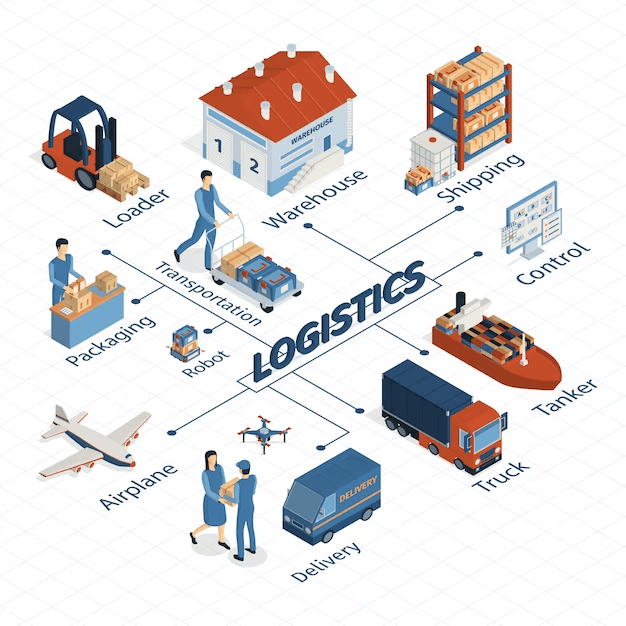
The logistics industry is the backbone of global commerce, responsible for the movement of goods across the world. As supply chains become increasingly complex and consumer expectations rise, logistics companies are turning to advanced technologies to streamline operations and enhance efficiency. ChatGPT, a cutting-edge AI language model developed by OpenAI, is emerging as a game-changer in the field of logistics.
Streamlining Supply Chain Operations
Efficient supply chain operations are essential to meet customer demands and reduce costs. ChatGPT can assist logistics companies in various ways:
Demand Forecasting: ChatGPT can analyze historical sales data, market trends, and external factors to provide accurate demand forecasts. This helps companies optimize inventory levels and reduce the risk of overstocking or stockouts.
Inventory Management: By continuously monitoring inventory levels and analyzing demand patterns, ChatGPT can recommend optimal replenishment schedules and inventory locations. This minimizes carrying costs and ensures products are available when needed.
Route Planning and Optimization
Efficient route planning is a critical aspect of logistics. ChatGPT can play a crucial role in optimizing routes:
Real-Time Traffic Analysis: ChatGPT can integrate with GPS and traffic data to provide real-time traffic updates. This helps drivers and logistics managers make informed decisions to avoid traffic jams and delays.
Fuel Efficiency: By considering factors like vehicle type, load capacity, and road conditions, ChatGPT can recommend routes that optimize fuel consumption, reducing costs and environmental impact.
Customer Engagement and Support
Customer experience is a key differentiator in logistics. ChatGPT can enhance customer engagement:
Order Tracking: ChatGPT-powered chatbots can provide customers with real-time updates on the status and location of their orders. This transparency builds trust and reduces customer inquiries.
Delivery Options: ChatGPT can offer customers personalized delivery options, such as choosing delivery times or locations. This flexibility improves customer satisfaction.
Warehouse Management
Efficient warehouse management is essential for timely order fulfillment. ChatGPT can assist in warehouse operations:
Order Picking Optimization: ChatGPT can optimize the order picking process by providing efficient picking routes for warehouse staff. This reduces picking times and increases productivity.
Inventory Tracking: Using computer vision and sensor data, ChatGPT can help monitor inventory levels and alert warehouse managers to reorder when necessary. This minimizes the risk of stockouts.
Supply Chain Visibility
Supply chain visibility is crucial for monitoring and managing the movement of goods:
Real-Time Tracking: ChatGPT can provide real-time tracking and visibility into the movement of goods at various stages of the supply chain, from production to delivery.
Predictive Analytics: By analyzing historical data and external factors, ChatGPT can provide insights into potential supply chain disruptions, enabling proactive measures to mitigate risks.
Environmental Sustainability
Sustainability is a growing concern in logistics. ChatGPT can contribute to sustainability efforts:
Eco-Friendly Route Planning: ChatGPT can recommend eco-friendly transportation routes that minimize emissions and reduce the carbon footprint of logistics operations.
ChatGPT for Insurance: Revolutionizing Customer Service and Risk Assessment
The insurance industry has long been associated with complex processes, paperwork, and lengthy customer interactions. However, in the era of digital transformation, insurance companies are turning to advanced technologies to streamline operations and improve customer experiences. ChatGPT, a state-of-the-art AI language model developed by OpenAI, is emerging as a transformative tool in the insurance sector.
Enhancing Customer Service
Customer service is a pivotal aspect of the insurance industry. ChatGPT is being used to enhance customer interactions in various ways:
24/7 Support: ChatGPT-powered chatbots provide round-the-clock assistance to customers. Policyholders can get answers to questions, request policy changes, and report claims at any time, increasing customer satisfaction.
Claims Processing: ChatGPT can assist in the claims process by guiding customers through the necessary steps, collecting essential information, and providing estimated claim amounts. This expedites the often-lengthy claims process.
Policy Recommendations
ChatGPT can analyze customer data and preferences to provide personalized policy recommendations:
Tailored Coverage: By understanding a customer’s needs and risk profile, ChatGPT can recommend insurance policies that provide the right level of coverage without unnecessary add-ons.
Risk Mitigation: ChatGPT can offer risk management advice to policyholders, such as home safety tips or strategies to reduce the risk of accidents.
Automation of Administrative Tasks
Insurance companies handle substantial administrative work, which can be time-consuming. ChatGPT can automate various tasks:
Data Entry: ChatGPT can extract and input data from documents, reducing manual data entry errors and speeding up underwriting and claims processing.
Email Responses: ChatGPT can draft responses to common customer inquiries received via email, freeing up staff to focus on more complex tasks.
Underwriting and Risk Assessment
Underwriting and risk assessment are core functions in insurance. ChatGPT can assist in these areas:
Data Analysis: ChatGPT can analyze vast amounts of data, including historical claims data, customer information, and external factors like weather patterns. This assists underwriters in evaluating risks accurately.
Predictive Modeling: ChatGPT can contribute to predictive modeling efforts by identifying patterns and trends in data, allowing insurers to anticipate potential risks and set appropriate premiums.
Fraud Detection and Prevention
Insurance fraud is a significant challenge for the industry. ChatGPT can help detect and prevent fraud:
Anomaly Detection: ChatGPT can analyze claims data to detect unusual patterns or anomalies that may indicate fraudulent activity. This enables insurers to investigate further.
Claim Verification: ChatGPT can verify the authenticity of claims by cross-referencing information with external databases and sources.
Customer Education
Insurance can be complex, and customers often have questions about their policies. ChatGPT can assist in educating policyholders:
Policy Explanations: ChatGPT can provide clear and concise explanations of policy terms, coverage limits, and deductibles to policyholders, ensuring they understand their policies.
Risk Awareness: ChatGPT can help customers understand the risks they face and the importance of appropriate insurance coverage.
ChatGPT for Healthcare: Transforming Patient Care and Clinical Operations
The healthcare industry is continually evolving, with the integration of technology playing a pivotal role in improving patient care and streamlining clinical processes. In this era of digital transformation, healthcare providers are embracing advanced AI technologies to enhance their services. ChatGPT, a sophisticated AI language model developed by OpenAI, is emerging as a powerful tool in healthcare.
Enhancing Patient Care
Patient care is at the core of the healthcare industry, and ChatGPT is making significant contributions:
Telehealth Support: ChatGPT-powered chatbots can assist patients in scheduling appointments, accessing telehealth services, and obtaining information about common medical conditions. This accessibility enhances patient engagement and healthcare accessibility.
Patient Education: ChatGPT can provide patients with clear and easily understandable information about medical conditions, treatment options, and post-care instructions, ensuring they are well-informed and empowered in their healthcare journey.
Clinical Decision Support
In the complex world of healthcare, clinical decision support is vital for accurate diagnoses and effective treatment plans:
Medical Literature Analysis: ChatGPT can analyze vast amounts of medical literature, research papers, and clinical guidelines to provide physicians with the latest evidence-based information to support their decision-making.
Diagnostic Assistance: ChatGPT can assist in the diagnostic process by suggesting potential diagnoses based on patient symptoms, medical history, and test results, serving as a valuable second opinion tool.
Administrative Efficiency
Healthcare organizations handle substantial administrative tasks, which can divert resources from patient care:
Appointment Scheduling: ChatGPT can automate appointment scheduling, allowing staff to focus on more complex tasks. Patients can book appointments conveniently, reducing no-shows and improving clinic efficiency.
Billing and Claims Processing: ChatGPT can streamline billing and claims processing by automating data entry and assisting with coding, reducing errors and accelerating reimbursement.
Electronic Health Records (EHR) Management
Efficient EHR management is crucial for healthcare providers:
Data Entry: ChatGPT can assist in data entry, converting spoken notes into text and populating EHRs with relevant patient information, reducing the burden on healthcare professionals.
EHR Search and Retrieval: ChatGPT can help healthcare providers quickly access patient records and relevant information during clinical encounters, improving patient care and reducing administrative delays.
Patient Engagement and Follow-Up
ChatGPT supports ongoing patient engagement and follow-up care:
Appointment Reminders: ChatGPT can send appointment reminders and follow-up instructions to patients via text or email, reducing appointment no-shows and improving patient adherence to treatment plans.
Post-Discharge Care: ChatGPT can provide patients with post-discharge care instructions, monitor their progress, and address common concerns, enhancing continuity of care.
Language Translation and Accessibility
In multicultural healthcare settings, language barriers can be a challenge:
Language Translation: ChatGPT can provide real-time language translation services, ensuring that patients can communicate with healthcare providers effectively, regardless of their primary language.
Privacy and Data Security
Healthcare organizations handle sensitive patient data. ChatGPT can help maintain privacy and security:
Data Encryption: ChatGPT can assist in encrypting and securing patient data, helping healthcare providers comply with data protection regulations and maintain patient confidentiality.
ChatGPT for Retail: Transforming Customer Experiences and Operational Efficiency
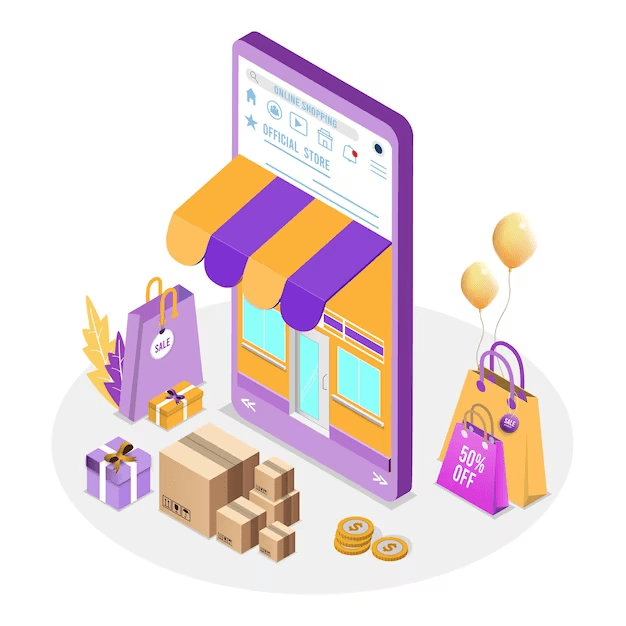
The retail industry is undergoing a profound transformation, driven by changing consumer preferences and the digital revolution. To thrive in this dynamic landscape, retailers are increasingly turning to cutting-edge technologies, including artificial intelligence (AI), to enhance customer experiences and streamline operations. ChatGPT, a state-of-the-art AI language model developed by OpenAI, is emerging as a powerful tool in retail.
Enhancing Customer Experiences
In an age where customers expect personalized and seamless experiences, ChatGPT is making significant contributions to retail:
Personalized Recommendations: ChatGPT can analyze customer behavior, purchase history, and preferences to provide personalized product recommendations, enhancing cross-selling and upselling opportunities.
Virtual Shopping Assistants: ChatGPT-powered chatbots can assist customers with product inquiries, helping them find the right products, sizes, and styles, thus reducing cart abandonment rates.
Inventory Management and Demand Forecasting
Efficient inventory management is a critical aspect of retail. ChatGPT can assist retailers in various ways:
Demand Forecasting: By analyzing historical sales data, market trends, and external factors, ChatGPT can provide accurate demand forecasts, enabling retailers to optimize inventory levels and reduce the risk of overstocking or stockouts.
Inventory Optimization: ChatGPT can continuously monitor inventory levels and recommend optimal replenishment schedules and inventory locations, minimizing carrying costs and ensuring products are available when needed.
Customer Support and Engagement
Exceptional customer support is vital for retailers. ChatGPT can play a crucial role in improving customer interactions:
Automated Customer Support: ChatGPT-powered chatbots can handle a wide range of customer inquiries, from tracking orders to processing returns, providing round-the-clock support and reducing customer service costs.
Real-time Assistance: ChatGPT can assist customers in real-time, helping them navigate the website, answer questions about products, and address concerns, thereby improving customer satisfaction.
Inventory Planning and Allocation
Retailers often grapple with the challenges of inventory planning and allocation:
Seasonal Demand: ChatGPT can analyze historical sales data and external factors, helping retailers make informed decisions about seasonal product assortments and inventory levels.
Localization: ChatGPT can assist in localized inventory allocation, considering regional preferences and demand variations, leading to more efficient stock distribution.
Language Translation and Global Expansion
In the era of global retail, language barriers can pose a challenge:
Language Translation: ChatGPT can provide real-time language translation services, allowing retailers to engage with customers across the globe, irrespective of language differences.
ChatGPT for Legal Businesses: Revolutionizing Legal Services and Efficiency
The legal industry, known for its meticulous paperwork and extensive research, is witnessing a transformative shift towards automation and digitalization. ChatGPT, a state-of-the-art AI language model developed by OpenAI, is at the forefront of this transformation, revolutionizing legal services, research, and operational efficiency.
Legal Research and Case Preparation
Legal research is a cornerstone of the legal profession, and ChatGPT is emerging as a game-changer:
Quick Information Retrieval: ChatGPT can swiftly search through vast databases of legal precedents, statutes, and case law, delivering relevant information to legal professionals in seconds.
Drafting Legal Documents: ChatGPT can assist in drafting legal documents, such as contracts, pleadings, and legal briefs, by providing template suggestions and helping with language refinement.
Document Review and Analysis
The review of legal documents is often a time-consuming task, but ChatGPT can expedite the process:
Due Diligence: ChatGPT can analyze contracts, agreements, and other legal documents to identify critical terms, potential risks, and discrepancies, facilitating due diligence procedures.
Contract Analysis: Legal professionals can leverage ChatGPT to extract key provisions and clauses from contracts, making contract review more efficient.
Client Interactions and Support
Enhancing client interactions is essential in the legal profession, and ChatGPT can play a vital role:
Client Inquiries: ChatGPT-powered chatbots can provide immediate responses to client inquiries, offering information about case updates, appointments, and general legal advice.
Appointment Scheduling: ChatGPT can assist clients in scheduling appointments, consultations, and meetings with legal professionals, improving accessibility.
Legal Writing and Brief Preparation
Preparing legal briefs and arguments requires precision, and ChatGPT can assist in this critical area:
Drafting Legal Arguments: ChatGPT can generate legal arguments, supporting attorneys in constructing persuasive briefs and motions.
Legal Summaries: ChatGPT can provide concise summaries of complex legal cases, aiding attorneys in presenting key points to clients and in court.
Language Translation and Multilingual Support
In an increasingly global legal landscape, language barriers can be challenging:
Language Translation: ChatGPT can offer real-time language translation services, enabling legal professionals to communicate with clients, witnesses, or experts in their preferred language.
Cost Efficiency and Scalability
Legal businesses can benefit from ChatGPT’s cost-effective and scalable solutions:
Automation of Routine Tasks: ChatGPT can automate routine administrative tasks like document sorting and data entry, allowing legal professionals to focus on complex and strategic aspects of their work.
Scalable Legal Services: With ChatGPT, legal businesses can offer scalable legal services, efficiently handling a higher volume of cases without compromising quality.
Conclusion
In this article, we’ve witnessed the remarkable impact of ChatGPT on diverse industries. From healthcare to retail, legal businesses to finance, ChatGPT has revolutionized processes and elevated user experiences. Customization has emerged as the linchpin, enabling tailored AI solutions to meet unique demands.
ChatGPT in healthcare empowers professionals, while legal businesses benefit from streamlined research and enhanced client interactions. Finance gains personalized services, while manufacturing, automotive, and logistics optimize operations. Hospitality, telecommunications, insurance, retail, media, and consumer goods all reap rewards.
In essence, ChatGPT’s adaptability and customization have unleashed a transformative wave across industries, reshaping the future of work and innovation.
In today’s rapidly evolving technological landscape, artificial intelligence (AI) has become a driving force behind innovation and efficiency. Among the many AI applications, ChatGPT stands out as a versatile conversational AI model that can be harnessed to create tailored solutions for various industries. In this comprehensive guide, we will explore the process of building a customized ChatGPT app and delve into the transformative potential it holds for businesses. From enhancing customer engagement to automating routine tasks, a custom ChatGPT app can be a game-changer. Let’s embark on this journey of discovery.
Understanding Custom ChatGPT
Before diving into the intricacies of building a custom ChatGPT app, it’s essential to grasp the fundamentals of ChatGPT itself. ChatGPT is a sibling model to the widely recognized GPT-3, and it specializes in generating human-like text responses based on the input it receives. It’s a state-of-the-art language model developed by OpenAI, capable of understanding and generating human-like text across a wide range of topics and conversational contexts.
Custom ChatGPT, as the name suggests, takes ChatGPT’s capabilities a step further. It allows you to fine-tune the model’s responses to align with specific objectives, industries, or use cases. This level of customization opens up a world of possibilities for businesses looking to leverage AI-driven conversational interfaces to improve customer interactions, automate tasks, and gain valuable insights.
Building Your Customized ChatGPT App
Step 1: Define Your Objectives
The first crucial step in building a custom ChatGPT app is to define your objectives clearly. What specific tasks or goals do you want the app to achieve? Are you looking to enhance customer support, automate repetitive queries, or generate content for a particular niche? Defining your objectives will lay the foundation for the customization process.
Step 2: Data Collection and Preparation
Customizing ChatGPT requires a dataset that is relevant to your objectives. Gathering and preparing data is a critical step. This data can include historical customer interactions, industry-specific terminology, or any other information that helps the model understand your domain.
Step 3: Fine-Tuning the Model
Once you have your dataset, it’s time to fine-tune the ChatGPT model. Fine-tuning involves training the model on your specific data to adapt its responses to your objectives. This process helps the model learn context, tone, and industry-specific knowledge.
Step 4: Testing and Iteration
After fine-tuning, it’s essential to rigorously test your custom ChatGPT app. Evaluate its responses, accuracy, and performance. Iteration is often necessary to refine the model further and ensure it aligns perfectly with your goals.
Step 5: Integration
Once you’re satisfied with the performance, integrate your custom ChatGPT app into your existing systems or platforms. Whether it’s a website, a mobile app, or a messaging platform, integration is key to making the AI-driven interactions seamless for your users.
The Power of a Custom ChatGPT App
Now that we’ve covered the steps involved in building a customized ChatGPT app, let’s explore some of the incredible use cases across different industries.
Enhanced Customer Support
In the world of customer service, responsiveness and accuracy are paramount. A custom ChatGPT app can serve as a virtual support agent, providing instant responses to customer queries. It can handle routine inquiries, troubleshoot common issues, and escalate complex problems to human agents when needed. This not only improves customer satisfaction but also reduces the workload on support teams.
Personalized Sales and Marketing
Custom ChatGPT apps excel at understanding customer preferences and providing personalized recommendations. In the realm of e-commerce and retail, they can suggest products based on a user’s browsing history, answer product-related questions, and even assist in completing purchases. This level of personalization can significantly boost conversion rates and sales.
Streamlined Administrative Tasks
In industries like healthcare, legal, and finance, administrative tasks can be time-consuming and error-prone. Custom ChatGPT apps can automate data entry, document generation, and appointment scheduling. This frees up human employees to focus on more complex and value-added activities, ultimately improving productivity and reducing operational costs.
Real-Time Data Analysis
For industries that rely on data analysis, such as finance and manufacturing, custom ChatGPT apps can provide real-time insights and predictions. They can process vast amounts of data, detect anomalies, and generate reports, enabling faster decision-making and proactive problem-solving.
Understanding ChatGPT for Finance
ChatGPT, powered by its underlying GPT-3.5 architecture, is a state-of-the-art language model developed by OpenAI. It excels in natural language understanding and generation, making it an ideal candidate for building chatbots that can engage with customers in a conversational manner. What sets ChatGPT apart is its ability to understand context, respond intelligently, and even provide recommendations.
Now, let’s dive into how ChatGPT can transform the financial sector:
1. Enhancing Customer Service
One of the primary use cases of ChatGPT in finance is to enhance customer service. Financial institutions deal with a myriad of inquiries daily, ranging from account balance checks to complex queries about investment strategies. ChatGPT, when customized for finance, can handle these inquiries efficiently and accurately.
For instance, a customer might ask, “What is my current account balance?” ChatGPT can access real-time account information and provide the balance instantly, eliminating the need for customers to navigate through lengthy phone menus or visit physical branches. This not only improves customer satisfaction but also frees up human agents to focus on more complex tasks.
2. Answering Common Queries
In the finance industry, customers often have standard questions related to account procedures, fees, or transaction processes. ChatGPT can serve as a reliable source of information, providing answers to these common queries 24/7. This accessibility enhances the overall customer experience, as clients can get the information they need quickly and conveniently.
For example, a customer might inquire about the process of transferring funds between accounts. ChatGPT can explain the steps involved, ensuring that the customer has a clear understanding of the process, thus reducing confusion and potential errors.
3. Personalized Investment Recommendations
One of the most exciting aspects of ChatGPT for finance is its ability to provide personalized investment recommendations. By analyzing a customer’s financial profile, including income, expenses, and risk tolerance, ChatGPT can suggest suitable investment options.
Imagine a scenario where a customer expresses interest in long-term investments. ChatGPT can initiate a conversation to gather relevant information and preferences. Based on this data, it can recommend a diversified portfolio tailored to the customer’s financial goals and risk tolerance. This level of personalization can significantly enhance the advisory services provided by financial institutions.
Customizing ChatGPT for Finance
Customizing ChatGPT for finance applications involves training the model on specific financial data and terminology. This ensures that the chatbot understands industry-specific jargon and can provide accurate responses. Moreover, it’s essential to integrate ChatGPT with the financial institution’s systems to access real-time data securely.
Additionally, compliance and security considerations are paramount in the finance sector. Financial institutions must ensure that customer data is handled with the utmost care and in compliance with industry regulations. Customized ChatGPT solutions should include robust security measures to protect sensitive information.
The Future of Finance with ChatGPT
As the finance industry continues to evolve, ChatGPT presents a remarkable opportunity to reshape customer interactions. It offers a cost-effective way to provide round-the-clock support, deliver personalized recommendations, and streamline routine processes.
Furthermore, ChatGPT can assist financial advisors by providing up-to-date market insights, helping them stay informed about market trends and potential investment opportunities. This collaboration between human experts and AI-driven chatbots can lead to better decision-making and improved financial outcomes for clients.
Understanding ChatGPT for Manufacturing
ChatGPT, driven by the powerful GPT-3.5 architecture, represents a significant leap in natural language processing. Its ability to comprehend context, generate human-like responses, and adapt to specific industries makes it a valuable asset for manufacturing. Now, let’s delve into the ways ChatGPT can reshape the manufacturing landscape:
1. Streamlining Production Planning
Manufacturing involves intricate processes, from raw material procurement to product assembly. Optimizing these processes is essential for cost reduction and meeting production deadlines. ChatGPT for manufacturing can assist in production planning by analyzing data and providing recommendations in real-time.
For example, production managers can interact with the chatbot to determine optimal production schedules, taking into account factors such as machine availability, workforce, and customer orders. This dynamic planning ensures that resources are allocated efficiently, reducing downtime and production costs.
2. Quality Control and Defect Detection
Maintaining high product quality is a cornerstone of manufacturing. ChatGPT can play a pivotal role in quality control by assisting in the identification of defects and anomalies. By integrating with sensors and monitoring systems, the chatbot can analyze real-time data to detect deviations from quality standards.
Suppose a sensor in an automotive assembly line detects a potential defect in a component. ChatGPT can immediately alert quality control personnel, providing detailed information about the issue and suggesting corrective actions. This proactive approach minimizes defects, reduces scrap, and improves overall product quality.
3. Supply Chain Management
Effective supply chain management is critical for just-in-time manufacturing and minimizing inventory costs. ChatGPT can optimize supply chain operations by monitoring inventory levels, analyzing demand forecasts, and suggesting reorder points for raw materials.
In a scenario where inventory levels of a specific component are depleting rapidly, ChatGPT can notify procurement teams and suggest adjusting orders to meet the demand without overstocking. This level of responsiveness ensures smooth production flow and cost savings.
Customizing ChatGPT for Manufacturing
To harness the full potential of ChatGPT in manufacturing, customization is key. Customization involves training the model on industry-specific terminology and data. This ensures that the chatbot understands manufacturing jargon and can provide accurate responses to complex queries.
Moreover, integration with existing manufacturing systems is essential. ChatGPT should have access to real-time production data, quality metrics, and inventory levels to provide meaningful insights and recommendations.
Security is also a paramount concern in manufacturing, as proprietary data and intellectual property are at stake. Customized ChatGPT solutions must incorporate robust security measures to protect sensitive information and ensure compliance with industry standards.
The Future of Manufacturing with ChatGPT
As the manufacturing industry continues to embrace digital transformation, ChatGPT holds the promise of significantly enhancing efficiency and quality. Its ability to streamline production planning, improve quality control, and optimize supply chain management positions it as a valuable tool for manufacturers aiming to stay competitive in a rapidly evolving market.
Furthermore, ChatGPT can assist in training and onboarding new employees by providing access to a wealth of knowledge and expertise. It can also facilitate cross-functional communication by serving as a bridge between different departments, making it easier to share insights and address challenges.
Unlocking the Power of ChatGPT for Automotive
ChatGPT, driven by the advanced GPT-3.5 architecture, is a cutting-edge natural language processing model developed by OpenAI. Its ability to comprehend context, generate human-like responses, and adapt to specific industries makes it an invaluable asset for automotive applications. Let’s dive into the ways ChatGPT can reshape the automotive landscape:
1. Redefining User Engagement
In the automotive industry, user experience is a critical differentiator. Whether it’s providing information about vehicle features, offering guidance on maintenance, or facilitating seamless communication with the manufacturer, ChatGPT can significantly enhance user engagement.
Imagine a potential car buyer visiting an automotive manufacturer’s website. Instead of navigating through static pages, they can have a conversation with a ChatGPT-powered chatbot. The chatbot can answer questions about various car models, provide details about available features, and even assist in configuring a custom vehicle. This interactive experience not only simplifies the decision-making process but also fosters a deeper connection between customers and the brand.
2. Real-time Vehicle Support
The automotive industry faces the challenge of providing real-time support to vehicle owners. ChatGPT can act as a virtual support agent, offering assistance on a wide range of topics. For example, if a driver encounters an issue with their vehicle, they can interact with the chatbot through a mobile app.
The chatbot can guide the driver through troubleshooting steps, offer information about nearby service centers, and even schedule appointments for repairs. This immediate support not only enhances user satisfaction but also contributes to safer and more reliable vehicles on the road.
3. Virtual Showrooms and Test Drives
ChatGPT can transform the way customers explore and experience vehicles. Automotive manufacturers can create virtual showrooms where customers can interact with a digital sales assistant powered by ChatGPT. Customers can “walk” through the showroom, view different models, and ask questions about features, pricing, and availability.
Moreover, the chatbot can simulate virtual test drives, allowing customers to get a feel for the vehicle’s performance and features without leaving their homes. This immersive experience can be a game-changer, especially in situations where physical visits to showrooms may be challenging.
Customizing ChatGPT for Automotive Excellence
To harness the full potential of ChatGPT in the automotive sector, customization is essential. This involves training the model on industry-specific data, terminology, and user preferences. Customization ensures that the chatbot understands automotive jargon and can provide personalized responses.
Integration with automotive systems and databases is also crucial. ChatGPT should have access to real-time information about vehicle models, features, inventory, and service centers. This integration allows the chatbot to deliver accurate and up-to-date information to users.
Furthermore, security and data privacy are paramount in the automotive industry, where user data is sensitive. Customized ChatGPT solutions must include robust security measures to protect user information and adhere to industry regulations.
The Future of Automotive Experiences with ChatGPT
As the automotive industry continues to evolve, ChatGPT presents an exciting opportunity to redefine user engagement and support. By offering interactive experiences, real-time assistance, and virtual showrooms, ChatGPT can transform how customers interact with vehicles and manufacturers.
Additionally, ChatGPT can assist automotive engineers and designers in the development process by providing insights and recommendations based on user feedback and market trends. This collaboration between human creativity and AI-driven chatbots can lead to innovative vehicle designs and features.
Unveiling the Potential of ChatGPT in Healthcare
ChatGPT, powered by the cutting-edge GPT-3.5 architecture, is a state-of-the-art language model developed by OpenAI. Its unique ability to understand context, generate human-like responses, and adapt to specific industries makes it an ideal candidate for healthcare applications. Let’s delve into how ChatGPT is transforming the healthcare landscape:
1. Empowering Patient Engagement
Patient engagement is a crucial factor in healthcare, and ChatGPT is redefining how patients interact with healthcare providers. With ChatGPT-powered chatbots, patients can access healthcare information and assistance conveniently and interactively. Patients can ask questions about symptoms, medications, treatment options, and more, receiving accurate and timely responses.
For instance, a patient experiencing flu-like symptoms can chat with a healthcare chatbot. The chatbot can provide guidance on whether to seek immediate medical attention, recommend home remedies, and even schedule a telehealth appointment with a healthcare provider. This immediate and personalized support empowers patients to take control of their health.
2. 24/7 Health Information Access
Health concerns don’t always arise during business hours. ChatGPT ensures that patients have access to healthcare information and support around the clock. This accessibility is especially valuable for patients with chronic conditions who may require assistance or information outside regular clinic hours.
Patients can inquire about medication dosages, side effects, and potential drug interactions. They can also receive reminders for prescription refills or upcoming appointments. ChatGPT’s continuous availability promotes better medication adherence and overall patient care.
3. Bridging Language Barriers
In diverse healthcare settings, language barriers can hinder effective communication between patients and providers. ChatGPT transcends language barriers by offering multilingual support. Patients who speak different languages can engage with healthcare chatbots in their preferred language, ensuring clear and accurate communication.
This feature is particularly vital in emergency situations when prompt communication can be a matter of life and death. A patient who doesn’t speak the local language can still convey critical information to healthcare professionals through a ChatGPT-powered chatbot, ensuring that the right care is delivered promptly.
Customizing ChatGPT for Healthcare Excellence
To unlock ChatGPT’s full potential in healthcare, customization is essential. This involves training the model on medical terminology, patient data, and healthcare protocols. Customization ensures that the chatbot understands healthcare-specific jargon and can provide accurate responses to medical inquiries.
Moreover, integration with electronic health record (EHR) systems and healthcare databases is critical. ChatGPT should securely access patient records, medical histories, and appointment schedules to provide context-aware and personalized assistance. Data security and compliance with healthcare regulations, such as HIPAA in the United States, are non-negotiable in healthcare applications.
The Future of Patient Engagement with ChatGPT in Healthcare
As the healthcare industry continues its digital transformation, ChatGPT is poised to redefine patient engagement, support services, and healthcare innovation. By offering personalized and accessible healthcare information, ChatGPT is strengthening the patient-provider relationship and empowering individuals to make informed decisions about their health.
Additionally, ChatGPT can assist healthcare professionals by providing real-time updates on medical research, treatment guidelines, and drug information. This collaboration between AI-driven chatbots and medical experts can lead to more accurate diagnoses, better treatment plans, and improved healthcare outcomes.
The Power of ChatGPT in Hospitality
ChatGPT, powered by the cutting-edge GPT-3.5 architecture, represents the pinnacle of natural language processing. Its ability to understand context, generate human-like responses, and adapt to specific industries makes it an ideal candidate for enhancing guest experiences in hospitality. Let’s delve into the ways ChatGPT is transforming the industry:
1. Personalized Guest Assistance
In the hospitality sector, every guest is unique, with specific needs and preferences. ChatGPT can act as a virtual concierge, offering personalized assistance to guests throughout their stay. From recommending nearby restaurants to providing information about local attractions, the chatbot can cater to individual preferences, ensuring that guests have a memorable experience.
Imagine a guest checking into a hotel and wanting to explore the city’s culinary scene. They can interact with a ChatGPT-powered chatbot through their smartphone or in-room tablet. The chatbot can inquire about dietary restrictions, cuisine preferences, and desired ambiance before suggesting a curated list of restaurants that align with the guest’s tastes. This level of personalization adds a touch of luxury to the guest’s stay.
2. Streamlining Guest Requests
Guests often have various requests during their stay, such as requesting extra towels, scheduling wake-up calls, or arranging transportation. ChatGPT simplifies the process by allowing guests to submit requests through a user-friendly chat interface.
For instance, a guest can send a message to the hotel’s chatbot requesting an early morning wake-up call and a taxi to the airport. The chatbot can confirm the request, set the alarm, and arrange for a taxi to be waiting outside the hotel at the requested time. This seamless and efficient service enhances guest satisfaction and convenience.
3. Multilingual Support
In the global hospitality industry, language barriers can be a significant challenge. ChatGPT addresses this issue by offering multilingual support. Guests from different countries and language backgrounds can interact with the chatbot in their preferred language, ensuring effective communication.
For example, a hotel in a popular tourist destination may have guests from various countries. The chatbot can assist guests in multiple languages, helping them with check-in, room service orders, and local recommendations. This inclusivity enhances the guest experience and fosters positive reviews and word-of-mouth referrals.
Customizing ChatGPT for Hospitality Excellence
To fully harness the potential of ChatGPT in hospitality, customization is essential. This involves training the model on industry-specific data, including information about the hotel’s amenities, services, and local attractions. Customization ensures that the chatbot understands hospitality-specific terminology and can provide accurate responses to guest inquiries.
Moreover, integration with the hotel’s reservation and management systems is crucial. ChatGPT should have access to real-time room availability, guest profiles, and service schedules to offer tailored recommendations and assistance. Data security and compliance with guest privacy regulations, such as GDPR, are paramount in the hospitality industry, and customized ChatGPT solutions must prioritize the protection of guest information.
The Future of Guest Experiences with ChatGPT in Hospitality
As the hospitality industry continues to evolve, ChatGPT promises to redefine guest interactions and elevate the level of service provided by hotels and accommodations. By offering personalized assistance, streamlining guest requests, and providing multilingual support, ChatGPT is transforming how guests engage with hotels and enhancing the overall guest experience.
Furthermore, ChatGPT can assist hotels in gathering valuable feedback and insights from guests, allowing them to continuously improve their services and amenities. This data-driven approach can lead to better decision-making and the development of new guest-centric offerings.
ChatGPT: A Disruptive Force in Information Technology
ChatGPT, powered by the advanced GPT-3.5 architecture, represents a leap forward in natural language processing. Its remarkable ability to understand context, generate human-like responses, and adapt to industry-specific needs makes it a game-changer for the IT sector. Let’s explore the myriad ways ChatGPT is transforming the IT landscape:
1. Enhancing Customer Support
In the IT realm, customer support is mission-critical. ChatGPT takes on the role of a virtual IT support agent, providing immediate assistance to customers facing technical issues or seeking guidance.
Imagine an IT helpdesk powered by ChatGPT, where users can chat with a virtual assistant to troubleshoot common problems. Whether it’s resolving software glitches, configuring email clients, or assisting with password resets, ChatGPT can provide step-by-step guidance. This not only reduces response times but also empowers users to resolve issues independently, enhancing customer satisfaction.
2. Streamlining IT Operations
Efficiency is the cornerstone of IT operations. ChatGPT offers automation solutions by integrating with IT management systems. It can assist IT teams in tasks such as incident management, server monitoring, and network troubleshooting.
For instance, if a network outage occurs, ChatGPT can proactively analyze the issue, identify potential causes, and recommend troubleshooting steps. It can also facilitate communication among IT team members, ensuring a coordinated response to critical incidents. This streamlines IT operations, minimizes downtime, and boosts overall productivity.
3. Accelerating Innovation
Innovation is the lifeblood of the IT industry. ChatGPT contributes to the innovation cycle by serving as a knowledge repository and an idea generator. IT professionals can leverage ChatGPT to access a wealth of information, including the latest industry trends, best practices, and emerging technologies.
Consider a scenario where an IT team is exploring new cloud computing solutions. ChatGPT can provide insights into cloud providers, deployment strategies, and cost optimization techniques. It can even generate recommendations based on the organization’s specific requirements. This accelerates decision-making and fosters innovation within the IT department.
Customizing ChatGPT for IT Excellence
To unlock the full potential of ChatGPT in the IT sector, customization is crucial. This entails training the model on IT-related terminology, datasets, and industry-specific challenges. Customization ensures that ChatGPT comprehends IT jargon and provides accurate responses to complex technical queries.
Moreover, integration with IT infrastructure and monitoring tools is imperative. ChatGPT should seamlessly access real-time data on server performance, network status, and security alerts. This integration empowers ChatGPT to provide context-aware recommendations and assist in IT incident resolution.
Security is paramount in the IT domain. Customized ChatGPT solutions must adhere to strict security protocols to safeguard sensitive data and comply with industry regulations, including GDPR and HIPAA.
The Future of Information Technology with ChatGPT
As the IT industry continues its rapid evolution, ChatGPT is poised to redefine customer support, streamline IT operations, and drive innovation. By offering personalized assistance, automating routine tasks, and serving as a knowledge resource, ChatGPT is becoming an invaluable asset for IT professionals.
Furthermore, ChatGPT can assist IT teams in staying ahead of cybersecurity threats by providing real-time threat intelligence and recommending security measures. This proactive approach to cybersecurity is crucial in an era of increasing cyberattacks.
The Rise of ChatGPT in Logistics
Logistics is the backbone of the global economy. It encompasses a complex web of processes, including supply chain management, inventory control, transportation, and distribution. These operations are often intricate, with numerous variables to consider. This is where ChatGPT steps in to streamline and enhance logistics management.
1. Improved Demand Forecasting
One of the primary challenges in logistics is predicting demand accurately. Companies often struggle to determine how much of a product or resource they need to meet future requirements. ChatGPT, with its natural language processing capabilities, can analyze historical data, market trends, and even external factors (such as weather patterns or economic indicators) to provide more accurate demand forecasts. By understanding demand fluctuations, logistics teams can optimize inventory levels and minimize excess or insufficient stock, reducing costs and enhancing customer satisfaction.
2. Real-time Monitoring and Alerts
In logistics, timing is critical. Delays, whether in the supply chain or transportation, can have a cascading effect on operations. ChatGPT can be integrated into monitoring systems to provide real-time updates on the status of shipments, inventory levels, and potential disruptions. It can also send alerts and suggest alternative routes or solutions when unexpected issues arise. This proactive approach minimizes downtime and helps logistics teams make informed decisions swiftly.
3. Route Optimization
Efficient transportation is a cornerstone of successful logistics. ChatGPT can optimize delivery routes based on various factors, such as traffic conditions, weather forecasts, and fuel costs. By selecting the most efficient routes, logistics companies can reduce transportation expenses, lower emissions, and enhance delivery speed. Additionally, ChatGPT can assist in load planning, ensuring that vehicles are maximally utilized, further minimizing costs.
4. Supply Chain Collaboration
ChatGPT facilitates seamless communication and collaboration among different players in the supply chain, from suppliers to manufacturers to distributors. It can handle queries, update stakeholders on order statuses, and assist in coordinating activities. This ensures that everyone involved in the logistics process is on the same page, reducing misunderstandings and improving overall efficiency.
Challenges and Considerations
While ChatGPT brings tremendous benefits to the logistics industry, there are challenges and considerations that need to be addressed:
1. Data Integration
Logistics operations generate vast amounts of data. To fully leverage ChatGPT, companies need to integrate it with their existing systems and data sources. This requires robust data infrastructure and compatibility with various software platforms.
2. Training and Customization
Each logistics operation is unique, and ChatGPT needs to be trained and customized to align with the specific requirements and workflows of an organization. This can be a resource-intensive process but is essential for optimal performance.
3. Scalability
As logistics operations expand, ChatGPT should scale accordingly to handle increased demands. Ensuring that the system remains responsive and efficient as the volume of data and transactions grows is crucial.
Future Prospects
The future of ChatGPT in logistics holds significant promise:
1. Autonomous Logistics
Advancements in artificial intelligence and autonomous vehicles are paving the way for self-driving trucks and drones. ChatGPT can play a central role in managing and coordinating these autonomous logistics systems, ensuring safe and efficient operations.
2. Sustainability
With increasing emphasis on sustainability, ChatGPT can help logistics companies reduce their environmental footprint. By optimizing routes, minimizing fuel consumption, and promoting eco-friendly transportation options, ChatGPT can contribute to greener logistics practices.
3. Global Supply Chain Management
In an increasingly interconnected world, ChatGPT can assist logistics companies in managing complex global supply chains. It can navigate international regulations, tariffs, and trade agreements, helping businesses expand their reach while staying compliant.
Conclusion
Building a customized ChatGPT app is a strategic move that can empower your business with AI-driven capabilities tailored to your specific needs. From automating tasks and improving customer interactions to gaining valuable insights from data, the possibilities are limitless. By following the steps outlined in this guide and harnessing the power of custom ChatGPT, you can unlock a new era of efficiency and innovation for your organization.
In the fast-paced world of healthcare, technological advancements are driving significant changes in patient experiences and healthcare practices. Among these advances, ChatGPT for healthcare has emerged as a transformative tool with the potential to revolutionize patient engagement, enhance access to medical knowledge, and improve the efficiency of healthcare services.
ChatGPT for Healthcare: Facilitating Patient Conversations
ChatGPT for healthcare harnesses cutting-edge AI algorithms to facilitate meaningful and informative conversations with patients. This AI-powered technology empowers patients to ask questions about their health, medical conditions, medications, and treatment options, receiving accurate, evidence-based responses.
The impact of ChatGPT for healthcare on patient engagement is remarkable. Patients can interact with the AI system naturally and effortlessly, fostering a sense of empowerment and active involvement in their healthcare decisions. This bridges the communication gap between patients and healthcare providers, making medical information more accessible and comprehensible.
Democratizing Medical Knowledge Access for All
One of the primary advantages of ChatGPT for healthcare is its role in democratizing medical knowledge. Patients can access reliable and up-to-date information about their health concerns, fostering a deeper understanding of their conditions and promoting informed decision-making.
Moreover, ChatGPT for healthcare serves as a valuable tool for healthcare professionals. Physicians, nurses, and researchers can leverage this technology to access the latest medical research, explore treatment options, and collaborate on complex medical cases. This streamlined access to information enhances the efficiency and quality of healthcare services.
ChatGPT for Healthcare: Shaping the Future of Medical Assistance
The potential applications of ChatGPT for healthcare are vast and promising. Envision a future where ChatGPT evolves into a comprehensive healthcare companion, providing medication reminders, guidance on managing chronic conditions, and even offering mental health support. This AI-driven assistance has the potential to bridge healthcare disparities and extend healthcare services to underserved populations, ensuring that quality healthcare is accessible to all.
Ethical Considerations and Responsible Utilization
While ChatGPT for healthcare offers significant benefits, it is essential to navigate ethical considerations and limitations. Users must understand that ChatGPT for healthcare is a tool for information and education, not a replacement for professional medical advice. The responsible utilization of AI in healthcare involves collaboration between patients, healthcare providers, and technology developers to ensure the highest standard of care.
In conclusion, ChatGPT for healthcare represents a significant advancement in medical assistance, offering the potential to enhance patient engagement, provide reliable medical information, and support healthcare professionals in their decision-making processes. As we continue to explore the possibilities of AI in healthcare, responsible and ethical utilization of ChatGPT for healthcare will play a pivotal role in improving healthcare outcomes and ensuring accessibility to quality healthcare for all.