In today’s fast-paced digital world, businesses are constantly seeking innovative ways to engage with their customers. One of the most exciting developments in this space is the customization of ChatGPT, a powerful AI language model developed by OpenAI. In this article, we’ll explore the concept of a customized ChatGPT app and how it can revolutionize your business’s conversational AI strategies.
The Power of Customized ChatGPT App
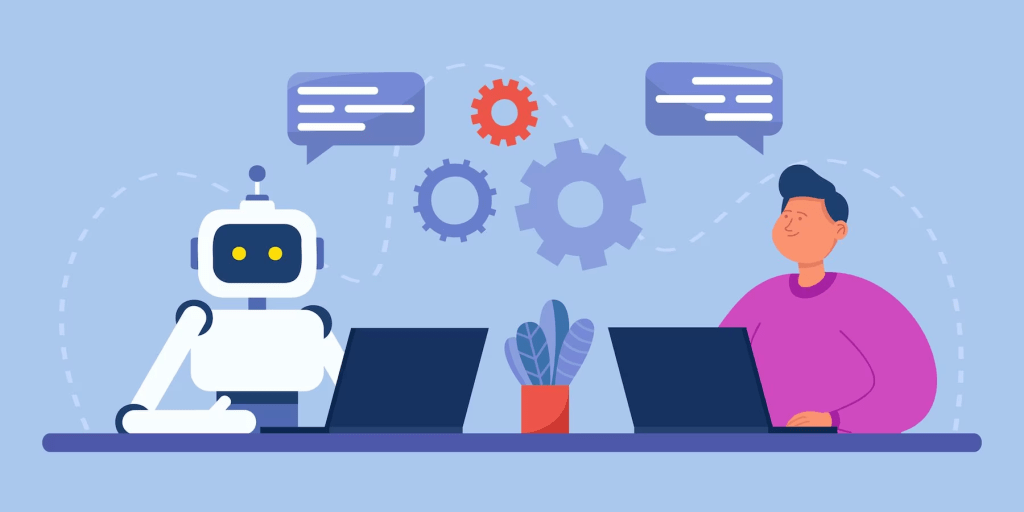
Before delving into customization, let’s briefly understand the potential of ChatGPT. It’s an AI model that has been trained on a vast amount of text from the internet, making it proficient in understanding and generating human-like text. This means it can engage in natural language conversations, answer questions, provide recommendations, and much more.
Why Customize ChatGPT?
While ChatGPT is a versatile tool out of the box, customization takes it to the next level. Here’s why you might want to consider a customized ChatGPT app for your business:
- Tailored Responses: A customized ChatGPT can provide responses that are specific to your industry, products, or services. This ensures that your customers receive information that is relevant to them.
- Branding and Personality: You can infuse your brand’s personality into ChatGPT, making it feel more like an extension of your business. Whether you want it to be formal, friendly, or quirky, customization allows for that.
- Specialized Knowledge: Depending on your industry, you may need ChatGPT to have specialized knowledge. For instance, a healthcare ChatGPT can understand medical terminology, while a legal ChatGPT can assist with legal inquiries.
How to Build Your Custom ChatGPT App
Building a customized ChatGPT app involves several steps:
- Data Collection: You’ll need to gather relevant data, including industry-specific conversations, FAQs, and information about your products or services.
- Training: The collected data is used to fine-tune the base ChatGPT model. During training, you can specify the tone, style, and knowledge base you want your ChatGPT to have.
- Testing and Refinement: It’s crucial to test your customized ChatGPT thoroughly. Ensure it responds accurately and consistently. Refinement may be necessary to iron out any issues.
- Integration: Once your custom ChatGPT is ready, you can integrate it into your website, app, or customer support channels. This step may require the assistance of developers.
Benefits of a Customized ChatGPT App
The advantages of a customized ChatGPT app are manifold:
- Improved Customer Engagement: With tailored responses and a personalized touch, customers are more likely to engage with your ChatGPT, leading to better user experiences.
- Time and Cost Savings: ChatGPT can handle a wide range of inquiries, freeing up your human support staff to focus on more complex tasks.
- Scalability: As your business grows, your customized ChatGPT can scale with it, providing consistent support to an increasing customer base.
ChatGPT for Hospitality: Revolutionizing Guest Services
The hospitality industry has always been defined by its commitment to exceptional guest experiences. In an era of rapid technological advancements, it’s no surprise that the sector is turning to artificial intelligence (AI) to further elevate these experiences. Enter ChatGPT, a powerful AI language model developed by OpenAI.

Personalized Guest Interactions
One of the hallmarks of a great hospitality experience is personalization. Guests appreciate it when their preferences are not just noted but anticipated. ChatGPT is a game-changer in this regard. By integrating a customized ChatGPT app into their operations, hotels and resorts can provide guests with highly personalized interactions.
Imagine arriving at a luxury hotel and being welcomed by a chatbot powered by ChatGPT. Instead of a generic greeting, the bot addresses you by name, asks if you have any specific requests, and even provides tailored recommendations for nearby attractions based on your interests. This level of personalization creates a lasting impression and fosters a sense of being valued.
Efficient Customer Support
In the hospitality industry, prompt and efficient customer support is vital. Guests may have inquiries about room availability, restaurant reservations, or even local transportation options. ChatGPT-powered chatbots excel in providing quick and accurate responses 24/7.
Whether a guest is seeking information about the hotel’s facilities or needs assistance with a particular request, the chatbot can offer instant help. This not only enhances the guest experience but also reduces the workload on human staff, allowing them to focus on more complex tasks.
Multilingual Support
Hospitality often caters to a diverse clientele, many of whom may speak different languages. ChatGPT’s language capabilities extend beyond English, making it an invaluable tool for hotels and resorts serving international guests. Multilingual chatbots powered by ChatGPT can bridge language barriers seamlessly.
Consider a scenario where a French-speaking guest arrives at a hotel in a non-French-speaking country. The chatbot can converse with the guest in French, ensuring clear communication and a more comfortable stay.
Enhanced Concierge Services
The role of a concierge in the hospitality industry is to assist guests with various tasks and recommendations. ChatGPT can be integrated into a hotel’s concierge service, offering an expansive knowledge base and real-time assistance.
For instance, a guest staying in a city they’re not familiar with can turn to the ChatGPT-powered concierge for restaurant recommendations, information about local events, or even directions to nearby landmarks. This not only enriches the guest’s stay but also contributes to positive online reviews and word-of-mouth recommendations.
Improved Booking and Reservation Processes
Efficient booking and reservation processes are essential for guest satisfaction. ChatGPT can automate these processes, making it easier for guests to secure their accommodations and services. Guests can book rooms, reserve tables at on-site restaurants, or even schedule spa treatments through chatbots powered by ChatGPT.
This streamlined approach eliminates the need for guests to navigate complex booking systems and significantly reduces the risk of errors. It also allows hotels to manage reservations more effectively, minimizing overbookings and ensuring a seamless experience for all guests.
Data-Driven Insights for Better Guest Experiences
ChatGPT doesn’t just facilitate guest interactions; it also generates valuable data. Hoteliers can analyze the conversations between guests and chatbots to gain insights into guest preferences, frequently asked questions, and areas where improvements are needed.
This data-driven approach allows hotels to continuously refine their services, tailor marketing strategies, and offer guests more of what they want. It’s a dynamic feedback loop that leads to ever-improving guest experiences.
ChatGPT for Information Technology: Revolutionizing Support and Knowledge Sharing
The information technology (IT) industry is no stranger to rapid change. With new technologies and challenges emerging constantly, IT professionals are always seeking innovative solutions to streamline operations and provide better support. ChatGPT, a cutting-edge AI language model developed by OpenAI, is proving to be a transformative force in the IT sector.

Efficient IT Support
One of the most critical aspects of IT operations is providing efficient and effective support to end-users. ChatGPT-powered chatbots are playing a crucial role in achieving this goal. These AI-driven bots can handle a wide range of IT-related inquiries, from troubleshooting common technical issues to guiding users through software installations.
Imagine a scenario where an employee encounters a software problem on their work computer. Instead of waiting for the IT helpdesk’s availability, they can chat with a ChatGPT-powered bot that provides step-by-step instructions to resolve the issue. This not only reduces downtime but also frees up IT personnel to focus on more complex tasks.
24/7 Availability
IT issues don’t always occur during regular business hours. Many problems arise when employees are working remotely or during late-night shifts. ChatGPT-powered bots are available 24/7, ensuring that users receive assistance whenever they need it, regardless of the time.
For IT departments, this continuous availability means fewer disruptions and a more responsive support system. It also contributes to improved user satisfaction as employees can resolve issues promptly, keeping productivity levels high.
Knowledge Base Enrichment
Maintaining an up-to-date knowledge base is essential for IT departments. ChatGPT can assist in this aspect by generating documentation, FAQs, and knowledge articles based on current IT practices and emerging technologies. This ensures that IT professionals have access to the latest information they need to solve problems and make informed decisions.
Consider a situation where a company adopts a new software application. ChatGPT can quickly generate user manuals and FAQs for the application, helping IT teams provide support and training to employees. This saves time, reduces training costs, and ensures that everyone is on the same page.
Automation of Repetitive Tasks
IT professionals often deal with repetitive tasks such as password resets, software updates, and system checks. ChatGPT can automate these routine processes, freeing up IT staff to focus on more complex and strategic projects.
For instance, instead of manually resetting passwords for multiple users, IT teams can deploy a ChatGPT-powered system that handles these requests efficiently. This not only reduces the workload on IT staff but also ensures consistency and accuracy in task execution.
Predictive Maintenance
Predictive maintenance is a critical component of IT infrastructure management. By monitoring the health and performance of hardware and software systems, IT teams can prevent costly downtime and data loss. ChatGPT can assist in this area by analyzing data, generating alerts, and providing recommendations for preventive measures.
Imagine a data center equipped with sensors that monitor server temperature and performance. ChatGPT can process this data in real-time, identify potential issues, and send alerts to IT administrators. This proactive approach minimizes the risk of system failures and ensures the uninterrupted operation of critical IT infrastructure.
Data Security and Compliance
Ensuring data security and compliance with regulations is paramount in IT. ChatGPT can assist in these areas by generating security protocols, compliance documentation, and incident response plans. It can also provide real-time guidance on security best practices.
For example, in the event of a security breach, ChatGPT can guide IT professionals through the necessary steps to contain the breach, notify affected parties, and initiate the incident response plan. This rapid and informed response helps mitigate the impact of security incidents.
ChatGPT for Human Resources: Enhancing Recruitment and Employee Engagement
The human resources (HR) department plays a pivotal role in any organization, responsible for recruiting top talent, fostering employee engagement, and ensuring a positive workplace culture. In today’s tech-savvy world, HR professionals are turning to innovative solutions to streamline their processes and enhance their effectiveness. One such solution is ChatGPT, an advanced AI language model developed by OpenAI.

Efficient Candidate Screening
Recruiting the right candidates is a critical function of HR. ChatGPT can significantly improve the efficiency of candidate screening processes. Traditional methods involve sifting through stacks of resumes, but ChatGPT-powered systems can automate this task.
Imagine an HR professional leveraging ChatGPT to screen resumes. The AI can quickly identify qualified candidates based on specific criteria, such as education, experience, and skills. This automation reduces the time and effort spent on manual screening, allowing HR teams to focus on more strategic aspects of recruitment.
Conversational AI for Initial Interviews
Conducting initial interviews with candidates is another essential HR function. ChatGPT-powered chatbots can conduct these interviews efficiently and consistently. Candidates can engage with the chatbot at their convenience, answering a series of relevant questions.
The chatbot can evaluate candidates’ responses based on predefined criteria and provide a report to HR professionals. This enables HR teams to make data-driven decisions about which candidates should proceed to the next stage of the hiring process.
Onboarding and Employee Support
Once candidates are hired, the onboarding process is crucial for setting the tone for their entire tenure with the company. ChatGPT can assist in this area by providing a digital onboarding assistant. New hires can ask questions about company policies, benefits, and procedures, and receive immediate answers.
Moreover, ChatGPT can be integrated into the company’s internal communication systems to provide ongoing employee support. Employees can seek guidance on a wide range of HR-related queries, from leave policies to career development opportunities.
Tailored Employee Engagement
Employee engagement is a significant concern for HR professionals. Engaged employees are more likely to be productive, committed, and satisfied with their work. ChatGPT can play a role in enhancing employee engagement by providing personalized interactions.
For example, ChatGPT can send automated, personalized messages to employees on their work anniversaries or birthdays, fostering a sense of belonging. It can also gather feedback from employees through surveys and sentiment analysis, helping HR teams understand and address concerns.
Training and Development
Professional development is a key component of employee satisfaction and retention. ChatGPT can assist in identifying training and development opportunities for employees. By analyzing employee performance data and career goals, ChatGPT can recommend relevant training programs or courses.
Furthermore, ChatGPT can create customized learning materials, including tutorials, quizzes, and reference documents, to support employees in their professional growth. This tailored approach ensures that employees receive the training they need to excel in their roles.
Data-Driven Decision-Making
Data is a valuable asset in HR, enabling informed decision-making. ChatGPT can analyze HR data to identify trends and insights. For instance, it can help HR professionals understand turnover rates, reasons for employee departures, and areas where improvements are needed.
Armed with this data, HR teams can implement targeted strategies to address issues, improve retention rates, and create a more inclusive workplace. ChatGPT can also assist in workforce planning by predicting staffing needs based on historical data and projected growth.
ChatGPT for Finance: Transforming Customer Service and Decision-Making
The financial industry is no stranger to rapid technological advancements. With the ever-increasing complexity of financial products and services, the need for innovative solutions to enhance customer service and streamline decision-making has never been more pronounced. ChatGPT, a state-of-the-art AI language model developed by OpenAI, is emerging as a game-changer in the world of finance.

Enhancing Customer Service
The finance industry places a premium on customer service, and rightly so. Timely and accurate assistance is essential for building trust and ensuring customer satisfaction. ChatGPT-powered chatbots are proving to be invaluable tools for financial institutions in this regard.
- 24/7 Support: Financial transactions can occur at any time, necessitating 24/7 support. ChatGPT-powered chatbots are available round the clock, offering customers immediate assistance with inquiries, account information, and transaction history.
- Personalized Responses: ChatGPT can generate personalized responses based on each customer’s unique needs and history. Whether a customer has questions about a credit card statement or wants to inquire about mortgage options, ChatGPT can provide tailored answers.
- Risk Assessment: Financial institutions often need to assess the risk profile of potential customers. ChatGPT can assist in this process by asking customers specific questions and generating risk assessments, which can be used to make informed lending decisions.
- Fraud Detection: Detecting and preventing fraudulent activities is a top priority for financial institutions. ChatGPT can analyze transaction data in real-time, flagging potentially fraudulent transactions and alerting customers to take action.
Streamlining Investment Research
In the world of finance, making informed investment decisions is critical. ChatGPT can be a valuable asset in this regard, providing real-time market analysis and investment recommendations.
- Market Insights: ChatGPT can sift through vast amounts of financial news, reports, and market data to provide concise and up-to-date market insights. It can summarize key trends, highlight significant events, and offer predictions based on historical data.
- Investment Recommendations: Financial advisors can use ChatGPT to generate investment recommendations for their clients. By inputting specific client preferences and risk tolerance levels, ChatGPT can provide a range of investment options and strategies.
Automating Routine Financial Tasks
Finance professionals often find themselves bogged down by routine tasks, such as data entry and report generation. ChatGPT can automate these processes, freeing up time for more strategic activities.
- Data Entry and Analysis: ChatGPT can extract and analyze data from financial statements, invoices, and other documents. This not only reduces the risk of errors but also accelerates data processing.
- Report Generation: ChatGPT can generate financial reports and summaries, saving professionals the effort of manually compiling and formatting data.
Risk Assessment and Management
Assessing and managing financial risks is at the core of the finance industry. ChatGPT can assist in identifying and mitigating risks through advanced data analysis and modeling.
- Credit Scoring: Financial institutions can use ChatGPT to assess the creditworthiness of individuals and businesses. By analyzing financial data, transaction history, and credit reports, ChatGPT can generate credit scores and risk profiles.
- Market Risk Analysis: Investment firms can leverage ChatGPT to assess market risks associated with various financial instruments. This includes analyzing historical data, volatility, and correlations to make informed investment decisions.
Regulatory Compliance
Compliance with financial regulations is paramount. ChatGPT can help financial institutions stay compliant by continuously monitoring transactions for potential violations and generating reports for regulatory authorities.
ChatGPT for Manufacturing: Revolutionizing Efficiency and Quality
The manufacturing industry is no stranger to the relentless pursuit of efficiency, quality, and innovation. To stay competitive in today’s global market, manufacturers are increasingly turning to advanced technologies. Among these, ChatGPT, a powerful AI language model developed by OpenAI, is emerging as a transformative tool in the world of manufacturing.

Streamlined Production Planning
Production planning is a critical aspect of manufacturing. Manufacturers must optimize resource allocation, minimize downtime, and ensure timely delivery of products. ChatGPT can assist in this area by providing real-time insights and recommendations.
- Demand Forecasting: ChatGPT can analyze historical sales data and market trends to provide accurate demand forecasts. This enables manufacturers to adjust production schedules and inventory levels accordingly, reducing the risk of overproduction or shortages.
- Production Scheduling: ChatGPT can generate optimal production schedules, taking into account machine availability, production capacity, and order priorities. This results in smoother production processes and reduced lead times.
Quality Control and Assurance
Maintaining consistent product quality is paramount in manufacturing. ChatGPT can play a crucial role in quality control and assurance through various means:
- Automated Inspection: ChatGPT can be integrated with computer vision systems to automate product inspections. It can identify defects, deviations, or anomalies in real-time, ensuring that only high-quality products make it to the market.
- Root Cause Analysis: In the event of a quality issue, ChatGPT can analyze production data to identify root causes. It can recommend corrective actions to prevent similar issues from occurring in the future.
Supply Chain Optimization
Manufacturing relies heavily on an efficient supply chain. ChatGPT can optimize various aspects of the supply chain:
- Supplier Selection: ChatGPT can assist in selecting the most reliable and cost-effective suppliers based on historical performance, pricing, and lead times.
- Inventory Management: By analyzing inventory data, ChatGPT can recommend optimal inventory levels and reorder points. This minimizes carrying costs while ensuring materials are available when needed.
Maintenance and Downtime Reduction
Downtime can be costly in manufacturing. ChatGPT can help reduce unplanned downtime through predictive maintenance:
- Predictive Maintenance: ChatGPT can analyze machine sensor data to predict when equipment is likely to fail. Maintenance teams can then schedule preventive maintenance before a breakdown occurs, minimizing production disruptions.
Innovation and Product Development
Manufacturers constantly seek to innovate and develop new products. ChatGPT can facilitate innovation in several ways:
- Idea Generation: ChatGPT can assist in brainstorming sessions, generating innovative product ideas based on market trends and consumer preferences.
- Design Assistance: In product design, ChatGPT can generate design recommendations, provide insights on material selection, and even help simulate product performance.
Workforce Training and Knowledge Sharing
The manufacturing industry relies on skilled workers. ChatGPT can play a role in training and knowledge sharing:
- Training Modules: ChatGPT can create customized training modules for new employees, covering safety procedures, equipment operation, and quality standards.
- Knowledge Repository: ChatGPT can build and maintain a knowledge repository, ensuring that employees have easy access to relevant information and best practices.
Environmental Sustainability
Sustainability is a growing concern in manufacturing. ChatGPT can assist in sustainable practices:
- Resource Optimization: ChatGPT can recommend ways to reduce resource consumption, minimize waste, and lower the carbon footprint of manufacturing processes.
ChatGPT for Automotive: Driving Innovation and Customer Experience
The automotive industry is undergoing a profound transformation, driven by technological advancements and changing consumer expectations. As vehicles become more complex, and the demand for personalized experiences grows, automakers are increasingly turning to artificial intelligence (AI) solutions to stay competitive. ChatGPT, an advanced AI language model developed by OpenAI, is playing a pivotal role in reshaping the automotive landscape.

Personalized In-Car Assistants
Modern vehicles are equipped with a myriad of features and technologies, from infotainment systems to advanced driver assistance systems (ADAS). ChatGPT can be integrated into these systems to provide personalized in-car assistants.
- Voice-Activated Assistance: ChatGPT-powered voice recognition systems enable drivers and passengers to interact with their vehicles using natural language. Whether it’s adjusting climate settings, finding nearby restaurants, or receiving real-time traffic updates, ChatGPT can provide assistance and information.
- Customized Recommendations: By analyzing a driver’s preferences and historical data, ChatGPT can make personalized recommendations, such as suggesting the most efficient route based on traffic conditions or recommending nearby charging stations for electric vehicles.
Enhanced Customer Support
The automotive industry relies heavily on customer support and service. ChatGPT can streamline customer interactions and provide instant support:
- 24/7 Support: ChatGPT-powered chatbots are available round the clock to assist customers with inquiries, service appointments, and troubleshooting. This ensures that customers receive timely assistance, even outside of business hours.
- Technical Troubleshooting: For vehicle-related issues, ChatGPT can guide users through basic troubleshooting steps. It can also help diagnose common problems and recommend appropriate actions.
Design and Engineering
ChatGPT is a valuable asset in the design and engineering phases of vehicle development:
- Design Assistance: Automotive designers can collaborate with ChatGPT to generate design concepts, explore materials, and simulate aerodynamic properties. This accelerates the design process and facilitates innovation.
- Simulation and Testing: Engineers can use ChatGPT to simulate vehicle performance under various conditions. This includes assessing fuel efficiency, safety features, and environmental impact.
Supply Chain Optimization
Efficient supply chain management is crucial in the automotive industry. ChatGPT can optimize various aspects of the supply chain:
- Supplier Collaboration: ChatGPT can facilitate communication with suppliers, helping to coordinate orders, deliveries, and inventory management. It can also assist in supplier selection based on performance metrics.
- Inventory Management: By analyzing sales data and demand forecasts, ChatGPT can recommend optimal inventory levels and distribution strategies. This reduces carrying costs and minimizes the risk of overstocking or stockouts.
Autonomous Vehicles
The development of autonomous vehicles is a major focus of the automotive industry. ChatGPT can contribute to the advancement of autonomous driving in several ways:
- Data Processing: ChatGPT can process and analyze large volumes of sensor data collected by autonomous vehicles. It can identify patterns, anomalies, and potential safety issues, contributing to the refinement of autonomous driving algorithms.
- Human-Machine Interaction: In semi-autonomous vehicles, ChatGPT can act as an intermediary for human-machine interaction. It can provide clear instructions to the driver when transitioning between autonomous and manual driving modes.
Environmental Sustainability
Sustainability is a growing concern for both consumers and automakers. ChatGPT can assist in making vehicles more eco-friendly:
- Eco-Driving Tips: ChatGPT can offer eco-driving tips to help drivers reduce fuel consumption and minimize their environmental footprint. This promotes sustainable driving habits.
ChatGPT for Telecommunications: Revolutionizing Connectivity and Customer Service
The telecommunications industry has always been at the forefront of technological advancements, enabling global connectivity and reshaping how we communicate. In this era of rapid digital transformation, telecommunications companies are harnessing the power of artificial intelligence to enhance their services and customer experiences. ChatGPT, an advanced AI language model developed by OpenAI, is playing a pivotal role in revolutionizing the telecommunications sector.

Enhancing Network Management
Efficient network management is the backbone of the telecommunications industry. ChatGPT can assist in several aspects of network operations:
- Network Optimization: By analyzing network performance data, ChatGPT can identify areas where network optimization is needed. It can recommend adjustments to routing, capacity planning, and load balancing to ensure seamless connectivity.
- Predictive Maintenance: ChatGPT can predict network equipment failures based on historical data and sensor readings. This allows for proactive maintenance, reducing downtime and service interruptions.
Customer Support and Self-Service
Exceptional customer service is vital for telecom companies. ChatGPT can play a significant role in improving customer support:
- Automated Support: ChatGPT-powered chatbots can handle a wide range of customer inquiries, from billing questions to troubleshooting connectivity issues. They are available 24/7, providing immediate assistance.
- Troubleshooting: ChatGPT can guide customers through troubleshooting steps for common problems, such as setting up Wi-Fi or configuring devices. It can also offer solutions for connectivity issues.
Personalized Service Plans
Telecom companies can use ChatGPT to personalize service plans for customers:
- Recommendations: ChatGPT can analyze a customer’s usage patterns and preferences to recommend suitable service plans. For example, it can suggest data plans, voice packages, or international calling options that align with the customer’s needs.
- Billing Transparency: ChatGPT can break down complex billing statements into understandable terms, helping customers better understand their charges and usage.
Network Security
Ensuring the security of data and communications is paramount in telecommunications:
- Threat Detection: ChatGPT can analyze network traffic patterns and flag any suspicious activities, helping telecom companies detect and respond to cyber threats in real-time.
- Fraud Prevention: ChatGPT can identify potential instances of fraud, such as SIM card cloning or unauthorized access, by monitoring usage patterns and alerting telecom providers.
Voice and Speech Recognition
Voice-activated services are becoming increasingly popular in telecommunications:
- Voice Interfaces: ChatGPT can be integrated into voice-activated devices and services, providing users with natural language interactions. Customers can control devices, access information, and even make service requests using voice commands.
Predictive Analytics
Telecom companies can leverage ChatGPT for predictive analytics:
- Churn Prediction: ChatGPT can analyze customer behavior and usage patterns to predict churn risk. Companies can then take proactive measures to retain at-risk customers.
- Service Expansion: By analyzing market trends and customer data, ChatGPT can provide insights into potential service expansion opportunities, helping telecom providers stay competitive.
ChatGPT for Logistics: Transforming Supply Chain Efficiency
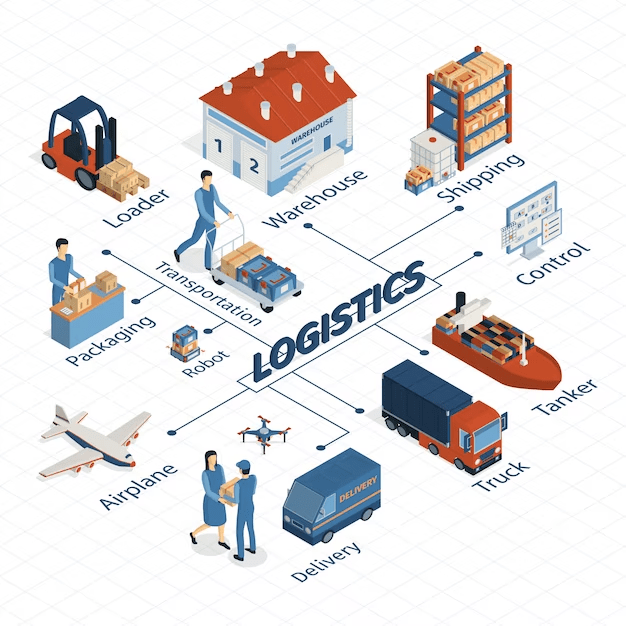
The logistics industry is the backbone of global commerce, responsible for the movement of goods across the world. As supply chains become increasingly complex and consumer expectations rise, logistics companies are turning to advanced technologies to streamline operations and enhance efficiency. ChatGPT, a cutting-edge AI language model developed by OpenAI, is emerging as a game-changer in the field of logistics.
Streamlining Supply Chain Operations
Efficient supply chain operations are essential to meet customer demands and reduce costs. ChatGPT can assist logistics companies in various ways:
- Demand Forecasting: ChatGPT can analyze historical sales data, market trends, and external factors to provide accurate demand forecasts. This helps companies optimize inventory levels and reduce the risk of overstocking or stockouts.
- Inventory Management: By continuously monitoring inventory levels and analyzing demand patterns, ChatGPT can recommend optimal replenishment schedules and inventory locations. This minimizes carrying costs and ensures products are available when needed.
Route Planning and Optimization
Efficient route planning is a critical aspect of logistics. ChatGPT can play a crucial role in optimizing routes:
- Real-Time Traffic Analysis: ChatGPT can integrate with GPS and traffic data to provide real-time traffic updates. This helps drivers and logistics managers make informed decisions to avoid traffic jams and delays.
- Fuel Efficiency: By considering factors like vehicle type, load capacity, and road conditions, ChatGPT can recommend routes that optimize fuel consumption, reducing costs and environmental impact.
Customer Engagement and Support
Customer experience is a key differentiator in logistics. ChatGPT can enhance customer engagement:
- Order Tracking: ChatGPT-powered chatbots can provide customers with real-time updates on the status and location of their orders. This transparency builds trust and reduces customer inquiries.
- Delivery Options: ChatGPT can offer customers personalized delivery options, such as choosing delivery times or locations. This flexibility improves customer satisfaction.
Warehouse Management
Efficient warehouse management is essential for timely order fulfillment. ChatGPT can assist in warehouse operations:
- Order Picking Optimization: ChatGPT can optimize the order picking process by providing efficient picking routes for warehouse staff. This reduces picking times and increases productivity.
- Inventory Tracking: Using computer vision and sensor data, ChatGPT can help monitor inventory levels and alert warehouse managers to reorder when necessary. This minimizes the risk of stockouts.
Supply Chain Visibility
Supply chain visibility is crucial for monitoring and managing the movement of goods:
- Real-Time Tracking: ChatGPT can provide real-time tracking and visibility into the movement of goods at various stages of the supply chain, from production to delivery.
- Predictive Analytics: By analyzing historical data and external factors, ChatGPT can provide insights into potential supply chain disruptions, enabling proactive measures to mitigate risks.
Environmental Sustainability
Sustainability is a growing concern in logistics. ChatGPT can contribute to sustainability efforts:
- Eco-Friendly Route Planning: ChatGPT can recommend eco-friendly transportation routes that minimize emissions and reduce the carbon footprint of logistics operations.
ChatGPT for Insurance: Revolutionizing Customer Service and Risk Assessment
The insurance industry has long been associated with complex processes, paperwork, and lengthy customer interactions. However, in the era of digital transformation, insurance companies are turning to advanced technologies to streamline operations and improve customer experiences. ChatGPT, a state-of-the-art AI language model developed by OpenAI, is emerging as a transformative tool in the insurance sector.

Enhancing Customer Service
Customer service is a pivotal aspect of the insurance industry. ChatGPT is being used to enhance customer interactions in various ways:
- 24/7 Support: ChatGPT-powered chatbots provide round-the-clock assistance to customers. Policyholders can get answers to questions, request policy changes, and report claims at any time, increasing customer satisfaction.
- Claims Processing: ChatGPT can assist in the claims process by guiding customers through the necessary steps, collecting essential information, and providing estimated claim amounts. This expedites the often-lengthy claims process.
Policy Recommendations
ChatGPT can analyze customer data and preferences to provide personalized policy recommendations:
- Tailored Coverage: By understanding a customer’s needs and risk profile, ChatGPT can recommend insurance policies that provide the right level of coverage without unnecessary add-ons.
- Risk Mitigation: ChatGPT can offer risk management advice to policyholders, such as home safety tips or strategies to reduce the risk of accidents.
Automation of Administrative Tasks
Insurance companies handle substantial administrative work, which can be time-consuming. ChatGPT can automate various tasks:
- Data Entry: ChatGPT can extract and input data from documents, reducing manual data entry errors and speeding up underwriting and claims processing.
- Email Responses: ChatGPT can draft responses to common customer inquiries received via email, freeing up staff to focus on more complex tasks.
Underwriting and Risk Assessment
Underwriting and risk assessment are core functions in insurance. ChatGPT can assist in these areas:
- Data Analysis: ChatGPT can analyze vast amounts of data, including historical claims data, customer information, and external factors like weather patterns. This assists underwriters in evaluating risks accurately.
- Predictive Modeling: ChatGPT can contribute to predictive modeling efforts by identifying patterns and trends in data, allowing insurers to anticipate potential risks and set appropriate premiums.
Fraud Detection and Prevention
Insurance fraud is a significant challenge for the industry. ChatGPT can help detect and prevent fraud:
- Anomaly Detection: ChatGPT can analyze claims data to detect unusual patterns or anomalies that may indicate fraudulent activity. This enables insurers to investigate further.
- Claim Verification: ChatGPT can verify the authenticity of claims by cross-referencing information with external databases and sources.
Customer Education
Insurance can be complex, and customers often have questions about their policies. ChatGPT can assist in educating policyholders:
- Policy Explanations: ChatGPT can provide clear and concise explanations of policy terms, coverage limits, and deductibles to policyholders, ensuring they understand their policies.
- Risk Awareness: ChatGPT can help customers understand the risks they face and the importance of appropriate insurance coverage.
ChatGPT for Healthcare: Transforming Patient Care and Clinical Operations
The healthcare industry is continually evolving, with the integration of technology playing a pivotal role in improving patient care and streamlining clinical processes. In this era of digital transformation, healthcare providers are embracing advanced AI technologies to enhance their services. ChatGPT, a sophisticated AI language model developed by OpenAI, is emerging as a powerful tool in healthcare.

Enhancing Patient Care
Patient care is at the core of the healthcare industry, and ChatGPT is making significant contributions:
- Telehealth Support: ChatGPT-powered chatbots can assist patients in scheduling appointments, accessing telehealth services, and obtaining information about common medical conditions. This accessibility enhances patient engagement and healthcare accessibility.
- Patient Education: ChatGPT can provide patients with clear and easily understandable information about medical conditions, treatment options, and post-care instructions, ensuring they are well-informed and empowered in their healthcare journey.
Clinical Decision Support
In the complex world of healthcare, clinical decision support is vital for accurate diagnoses and effective treatment plans:
- Medical Literature Analysis: ChatGPT can analyze vast amounts of medical literature, research papers, and clinical guidelines to provide physicians with the latest evidence-based information to support their decision-making.
- Diagnostic Assistance: ChatGPT can assist in the diagnostic process by suggesting potential diagnoses based on patient symptoms, medical history, and test results, serving as a valuable second opinion tool.
Administrative Efficiency
Healthcare organizations handle substantial administrative tasks, which can divert resources from patient care:
- Appointment Scheduling: ChatGPT can automate appointment scheduling, allowing staff to focus on more complex tasks. Patients can book appointments conveniently, reducing no-shows and improving clinic efficiency.
- Billing and Claims Processing: ChatGPT can streamline billing and claims processing by automating data entry and assisting with coding, reducing errors and accelerating reimbursement.
Electronic Health Records (EHR) Management
Efficient EHR management is crucial for healthcare providers:
- Data Entry: ChatGPT can assist in data entry, converting spoken notes into text and populating EHRs with relevant patient information, reducing the burden on healthcare professionals.
- EHR Search and Retrieval: ChatGPT can help healthcare providers quickly access patient records and relevant information during clinical encounters, improving patient care and reducing administrative delays.
Patient Engagement and Follow-Up
ChatGPT supports ongoing patient engagement and follow-up care:
- Appointment Reminders: ChatGPT can send appointment reminders and follow-up instructions to patients via text or email, reducing appointment no-shows and improving patient adherence to treatment plans.
- Post-Discharge Care: ChatGPT can provide patients with post-discharge care instructions, monitor their progress, and address common concerns, enhancing continuity of care.
Language Translation and Accessibility
In multicultural healthcare settings, language barriers can be a challenge:
- Language Translation: ChatGPT can provide real-time language translation services, ensuring that patients can communicate with healthcare providers effectively, regardless of their primary language.
Privacy and Data Security
Healthcare organizations handle sensitive patient data. ChatGPT can help maintain privacy and security:
- Data Encryption: ChatGPT can assist in encrypting and securing patient data, helping healthcare providers comply with data protection regulations and maintain patient confidentiality.
ChatGPT for Retail: Transforming Customer Experiences and Operational Efficiency
The retail industry is undergoing a profound transformation, driven by changing consumer preferences and the digital revolution. To thrive in this dynamic landscape, retailers are increasingly turning to cutting-edge technologies, including artificial intelligence (AI), to enhance customer experiences and streamline operations. ChatGPT, a state-of-the-art AI language model developed by OpenAI, is emerging as a powerful tool in retail.

Enhancing Customer Experiences
In an age where customers expect personalized and seamless experiences, ChatGPT is making significant contributions to retail:
- Personalized Recommendations: ChatGPT can analyze customer behavior, purchase history, and preferences to provide personalized product recommendations, enhancing cross-selling and upselling opportunities.
- Virtual Shopping Assistants: ChatGPT-powered chatbots can assist customers with product inquiries, helping them find the right products, sizes, and styles, thus reducing cart abandonment rates.
Inventory Management and Demand Forecasting
Efficient inventory management is a critical aspect of retail. ChatGPT can assist retailers in various ways:
- Demand Forecasting: By analyzing historical sales data, market trends, and external factors, ChatGPT can provide accurate demand forecasts, enabling retailers to optimize inventory levels and reduce the risk of overstocking or stockouts.
- Inventory Optimization: ChatGPT can continuously monitor inventory levels and recommend optimal replenishment schedules and inventory locations, minimizing carrying costs and ensuring products are available when needed.
Customer Support and Engagement
Exceptional customer support is vital for retailers. ChatGPT can play a crucial role in improving customer interactions:
- Automated Customer Support: ChatGPT-powered chatbots can handle a wide range of customer inquiries, from tracking orders to processing returns, providing round-the-clock support and reducing customer service costs.
- Real-time Assistance: ChatGPT can assist customers in real-time, helping them navigate the website, answer questions about products, and address concerns, thereby improving customer satisfaction.
Inventory Planning and Allocation
Retailers often grapple with the challenges of inventory planning and allocation:
- Seasonal Demand: ChatGPT can analyze historical sales data and external factors, helping retailers make informed decisions about seasonal product assortments and inventory levels.
- Localization: ChatGPT can assist in localized inventory allocation, considering regional preferences and demand variations, leading to more efficient stock distribution.
Language Translation and Global Expansion
In the era of global retail, language barriers can pose a challenge:
- Language Translation: ChatGPT can provide real-time language translation services, allowing retailers to engage with customers across the globe, irrespective of language differences.
Inventory Planning and Allocation
Retailers often grapple with the challenges of inventory planning and allocation:
- Seasonal Demand: ChatGPT can analyze historical sales data and external factors, helping retailers make informed decisions about seasonal product assortments and inventory levels.
- Localization: ChatGPT can assist in localized inventory allocation, considering regional preferences and demand variations, leading to more efficient stock distribution.
Language Translation and Global Expansion
In the era of global retail, language barriers can pose a challenge:
- Language Translation: ChatGPT can provide real-time language translation services, allowing retailers to engage with customers across the globe, irrespective of language differences.
ChatGPT for Legal Businesses: Revolutionizing Legal Services and Efficiency
The legal industry, known for its meticulous paperwork and extensive research, is witnessing a transformative shift towards automation and digitalization. ChatGPT, a state-of-the-art AI language model developed by OpenAI, is at the forefront of this transformation, revolutionizing legal services, research, and operational efficiency.

Legal Research and Case Preparation
Legal research is a cornerstone of the legal profession, and ChatGPT is emerging as a game-changer:
- Quick Information Retrieval: ChatGPT can swiftly search through vast databases of legal precedents, statutes, and case law, delivering relevant information to legal professionals in seconds.
- Drafting Legal Documents: ChatGPT can assist in drafting legal documents, such as contracts, pleadings, and legal briefs, by providing template suggestions and helping with language refinement.
Document Review and Analysis
The review of legal documents is often a time-consuming task, but ChatGPT can expedite the process:
- Due Diligence: ChatGPT can analyze contracts, agreements, and other legal documents to identify critical terms, potential risks, and discrepancies, facilitating due diligence procedures.
- Contract Analysis: Legal professionals can leverage ChatGPT to extract key provisions and clauses from contracts, making contract review more efficient.
Client Interactions and Support
Enhancing client interactions is essential in the legal profession, and ChatGPT can play a vital role:
- Client Inquiries: ChatGPT-powered chatbots can provide immediate responses to client inquiries, offering information about case updates, appointments, and general legal advice.
- Appointment Scheduling: ChatGPT can assist clients in scheduling appointments, consultations, and meetings with legal professionals, improving accessibility.
Legal Writing and Brief Preparation
Preparing legal briefs and arguments requires precision, and ChatGPT can assist in this critical area:
- Drafting Legal Arguments: ChatGPT can generate legal arguments, supporting attorneys in constructing persuasive briefs and motions.
- Legal Summaries: ChatGPT can provide concise summaries of complex legal cases, aiding attorneys in presenting key points to clients and in court.
Language Translation and Multilingual Support
In an increasingly global legal landscape, language barriers can be challenging:
- Language Translation: ChatGPT can offer real-time language translation services, enabling legal professionals to communicate with clients, witnesses, or experts in their preferred language.
Cost Efficiency and Scalability
Legal businesses can benefit from ChatGPT’s cost-effective and scalable solutions:
- Automation of Routine Tasks: ChatGPT can automate routine administrative tasks like document sorting and data entry, allowing legal professionals to focus on complex and strategic aspects of their work.
- Scalable Legal Services: With ChatGPT, legal businesses can offer scalable legal services, efficiently handling a higher volume of cases without compromising quality.
Conclusion
In this article, we’ve witnessed the remarkable impact of ChatGPT on diverse industries. From healthcare to retail, legal businesses to finance, ChatGPT has revolutionized processes and elevated user experiences. Customization has emerged as the linchpin, enabling tailored AI solutions to meet unique demands.
ChatGPT in healthcare empowers professionals, while legal businesses benefit from streamlined research and enhanced client interactions. Finance gains personalized services, while manufacturing, automotive, and logistics optimize operations. Hospitality, telecommunications, insurance, retail, media, and consumer goods all reap rewards.
In essence, ChatGPT’s adaptability and customization have unleashed a transformative wave across industries, reshaping the future of work and innovation.
References used:
https://www.leewayhertz.com/customized-chatgpt-app/
https://www.leewayhertz.com/chatgpt-for-manufacturing/
 Tech Zoe