In today’s rapidly evolving technological landscape, artificial intelligence (AI) has become a driving force behind innovation and efficiency. Among the many AI applications, ChatGPT stands out as a versatile conversational AI model that can be harnessed to create tailored solutions for various industries. In this comprehensive guide, we will explore the process of building a customized ChatGPT app and delve into the transformative potential it holds for businesses. From enhancing customer engagement to automating routine tasks, a custom ChatGPT app can be a game-changer. Let’s embark on this journey of discovery.
Understanding Custom ChatGPT
Before diving into the intricacies of building a custom ChatGPT app, it’s essential to grasp the fundamentals of ChatGPT itself. ChatGPT is a sibling model to the widely recognized GPT-3, and it specializes in generating human-like text responses based on the input it receives. It’s a state-of-the-art language model developed by OpenAI, capable of understanding and generating human-like text across a wide range of topics and conversational contexts.
Custom ChatGPT, as the name suggests, takes ChatGPT’s capabilities a step further. It allows you to fine-tune the model’s responses to align with specific objectives, industries, or use cases. This level of customization opens up a world of possibilities for businesses looking to leverage AI-driven conversational interfaces to improve customer interactions, automate tasks, and gain valuable insights.
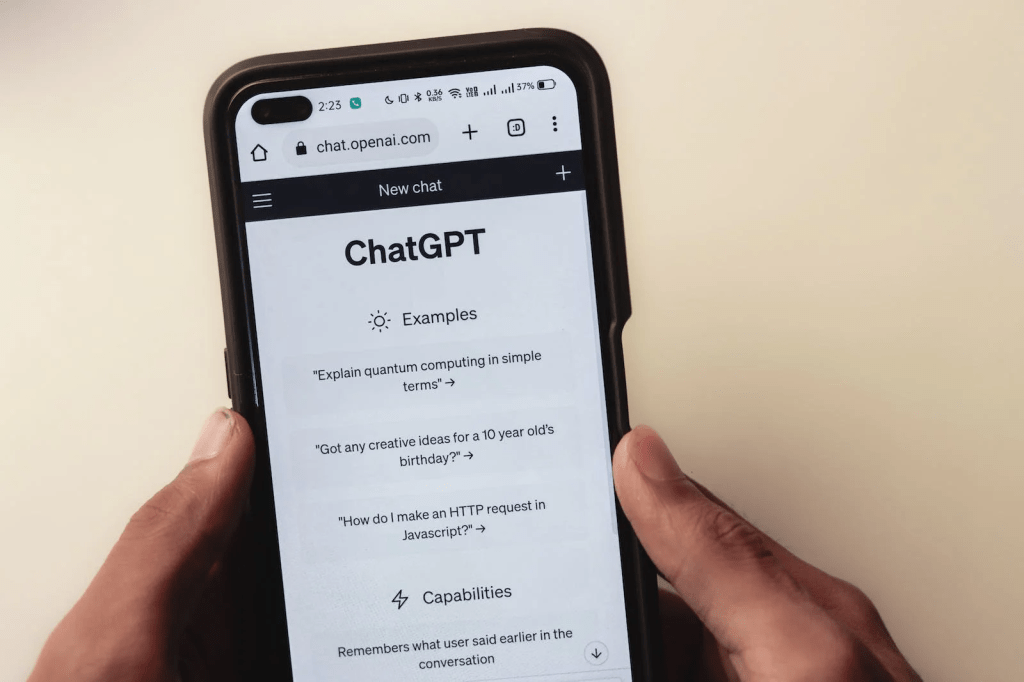
Building Your Customized ChatGPT App
Step 1: Define Your Objectives
The first crucial step in building a custom ChatGPT app is to define your objectives clearly. What specific tasks or goals do you want the app to achieve? Are you looking to enhance customer support, automate repetitive queries, or generate content for a particular niche? Defining your objectives will lay the foundation for the customization process.
Step 2: Data Collection and Preparation
Customizing ChatGPT requires a dataset that is relevant to your objectives. Gathering and preparing data is a critical step. This data can include historical customer interactions, industry-specific terminology, or any other information that helps the model understand your domain.
Step 3: Fine-Tuning the Model
Once you have your dataset, it’s time to fine-tune the ChatGPT model. Fine-tuning involves training the model on your specific data to adapt its responses to your objectives. This process helps the model learn context, tone, and industry-specific knowledge.
Step 4: Testing and Iteration
After fine-tuning, it’s essential to rigorously test your custom ChatGPT app. Evaluate its responses, accuracy, and performance. Iteration is often necessary to refine the model further and ensure it aligns perfectly with your goals.
Step 5: Integration
Once you’re satisfied with the performance, integrate your custom ChatGPT app into your existing systems or platforms. Whether it’s a website, a mobile app, or a messaging platform, integration is key to making the AI-driven interactions seamless for your users.
The Power of a Custom ChatGPT App
Now that we’ve covered the steps involved in building a customized ChatGPT app, let’s explore some of the incredible use cases across different industries.
Enhanced Customer Support
In the world of customer service, responsiveness and accuracy are paramount. A custom ChatGPT app can serve as a virtual support agent, providing instant responses to customer queries. It can handle routine inquiries, troubleshoot common issues, and escalate complex problems to human agents when needed. This not only improves customer satisfaction but also reduces the workload on support teams.
Personalized Sales and Marketing
Custom ChatGPT apps excel at understanding customer preferences and providing personalized recommendations. In the realm of e-commerce and retail, they can suggest products based on a user’s browsing history, answer product-related questions, and even assist in completing purchases. This level of personalization can significantly boost conversion rates and sales.
Streamlined Administrative Tasks
In industries like healthcare, legal, and finance, administrative tasks can be time-consuming and error-prone. Custom ChatGPT apps can automate data entry, document generation, and appointment scheduling. This frees up human employees to focus on more complex and value-added activities, ultimately improving productivity and reducing operational costs.
Real-Time Data Analysis
For industries that rely on data analysis, such as finance and manufacturing, custom ChatGPT apps can provide real-time insights and predictions. They can process vast amounts of data, detect anomalies, and generate reports, enabling faster decision-making and proactive problem-solving.
Understanding ChatGPT for Finance
ChatGPT, powered by its underlying GPT-3.5 architecture, is a state-of-the-art language model developed by OpenAI. It excels in natural language understanding and generation, making it an ideal candidate for building chatbots that can engage with customers in a conversational manner. What sets ChatGPT apart is its ability to understand context, respond intelligently, and even provide recommendations.

Now, let’s dive into how ChatGPT can transform the financial sector:
1. Enhancing Customer Service
One of the primary use cases of ChatGPT in finance is to enhance customer service. Financial institutions deal with a myriad of inquiries daily, ranging from account balance checks to complex queries about investment strategies. ChatGPT, when customized for finance, can handle these inquiries efficiently and accurately.
For instance, a customer might ask, “What is my current account balance?” ChatGPT can access real-time account information and provide the balance instantly, eliminating the need for customers to navigate through lengthy phone menus or visit physical branches. This not only improves customer satisfaction but also frees up human agents to focus on more complex tasks.
2. Answering Common Queries
In the finance industry, customers often have standard questions related to account procedures, fees, or transaction processes. ChatGPT can serve as a reliable source of information, providing answers to these common queries 24/7. This accessibility enhances the overall customer experience, as clients can get the information they need quickly and conveniently.
For example, a customer might inquire about the process of transferring funds between accounts. ChatGPT can explain the steps involved, ensuring that the customer has a clear understanding of the process, thus reducing confusion and potential errors.
3. Personalized Investment Recommendations
One of the most exciting aspects of ChatGPT for finance is its ability to provide personalized investment recommendations. By analyzing a customer’s financial profile, including income, expenses, and risk tolerance, ChatGPT can suggest suitable investment options.
Imagine a scenario where a customer expresses interest in long-term investments. ChatGPT can initiate a conversation to gather relevant information and preferences. Based on this data, it can recommend a diversified portfolio tailored to the customer’s financial goals and risk tolerance. This level of personalization can significantly enhance the advisory services provided by financial institutions.
Customizing ChatGPT for Finance
Customizing ChatGPT for finance applications involves training the model on specific financial data and terminology. This ensures that the chatbot understands industry-specific jargon and can provide accurate responses. Moreover, it’s essential to integrate ChatGPT with the financial institution’s systems to access real-time data securely.
Additionally, compliance and security considerations are paramount in the finance sector. Financial institutions must ensure that customer data is handled with the utmost care and in compliance with industry regulations. Customized ChatGPT solutions should include robust security measures to protect sensitive information.
The Future of Finance with ChatGPT
As the finance industry continues to evolve, ChatGPT presents a remarkable opportunity to reshape customer interactions. It offers a cost-effective way to provide round-the-clock support, deliver personalized recommendations, and streamline routine processes.
Furthermore, ChatGPT can assist financial advisors by providing up-to-date market insights, helping them stay informed about market trends and potential investment opportunities. This collaboration between human experts and AI-driven chatbots can lead to better decision-making and improved financial outcomes for clients.
Understanding ChatGPT for Manufacturing
ChatGPT, driven by the powerful GPT-3.5 architecture, represents a significant leap in natural language processing. Its ability to comprehend context, generate human-like responses, and adapt to specific industries makes it a valuable asset for manufacturing. Now, let’s delve into the ways ChatGPT can reshape the manufacturing landscape:

1. Streamlining Production Planning
Manufacturing involves intricate processes, from raw material procurement to product assembly. Optimizing these processes is essential for cost reduction and meeting production deadlines. ChatGPT for manufacturing can assist in production planning by analyzing data and providing recommendations in real-time.
For example, production managers can interact with the chatbot to determine optimal production schedules, taking into account factors such as machine availability, workforce, and customer orders. This dynamic planning ensures that resources are allocated efficiently, reducing downtime and production costs.
2. Quality Control and Defect Detection
Maintaining high product quality is a cornerstone of manufacturing. ChatGPT can play a pivotal role in quality control by assisting in the identification of defects and anomalies. By integrating with sensors and monitoring systems, the chatbot can analyze real-time data to detect deviations from quality standards.
Suppose a sensor in an automotive assembly line detects a potential defect in a component. ChatGPT can immediately alert quality control personnel, providing detailed information about the issue and suggesting corrective actions. This proactive approach minimizes defects, reduces scrap, and improves overall product quality.
3. Supply Chain Management
Effective supply chain management is critical for just-in-time manufacturing and minimizing inventory costs. ChatGPT can optimize supply chain operations by monitoring inventory levels, analyzing demand forecasts, and suggesting reorder points for raw materials.
In a scenario where inventory levels of a specific component are depleting rapidly, ChatGPT can notify procurement teams and suggest adjusting orders to meet the demand without overstocking. This level of responsiveness ensures smooth production flow and cost savings.
Customizing ChatGPT for Manufacturing
To harness the full potential of ChatGPT in manufacturing, customization is key. Customization involves training the model on industry-specific terminology and data. This ensures that the chatbot understands manufacturing jargon and can provide accurate responses to complex queries.
Moreover, integration with existing manufacturing systems is essential. ChatGPT should have access to real-time production data, quality metrics, and inventory levels to provide meaningful insights and recommendations.
Security is also a paramount concern in manufacturing, as proprietary data and intellectual property are at stake. Customized ChatGPT solutions must incorporate robust security measures to protect sensitive information and ensure compliance with industry standards.
The Future of Manufacturing with ChatGPT
As the manufacturing industry continues to embrace digital transformation, ChatGPT holds the promise of significantly enhancing efficiency and quality. Its ability to streamline production planning, improve quality control, and optimize supply chain management positions it as a valuable tool for manufacturers aiming to stay competitive in a rapidly evolving market.
Furthermore, ChatGPT can assist in training and onboarding new employees by providing access to a wealth of knowledge and expertise. It can also facilitate cross-functional communication by serving as a bridge between different departments, making it easier to share insights and address challenges.
Unlocking the Power of ChatGPT for Automotive
ChatGPT, driven by the advanced GPT-3.5 architecture, is a cutting-edge natural language processing model developed by OpenAI. Its ability to comprehend context, generate human-like responses, and adapt to specific industries makes it an invaluable asset for automotive applications. Let’s dive into the ways ChatGPT can reshape the automotive landscape:

1. Redefining User Engagement
In the automotive industry, user experience is a critical differentiator. Whether it’s providing information about vehicle features, offering guidance on maintenance, or facilitating seamless communication with the manufacturer, ChatGPT can significantly enhance user engagement.
Imagine a potential car buyer visiting an automotive manufacturer’s website. Instead of navigating through static pages, they can have a conversation with a ChatGPT-powered chatbot. The chatbot can answer questions about various car models, provide details about available features, and even assist in configuring a custom vehicle. This interactive experience not only simplifies the decision-making process but also fosters a deeper connection between customers and the brand.
2. Real-time Vehicle Support
The automotive industry faces the challenge of providing real-time support to vehicle owners. ChatGPT can act as a virtual support agent, offering assistance on a wide range of topics. For example, if a driver encounters an issue with their vehicle, they can interact with the chatbot through a mobile app.
The chatbot can guide the driver through troubleshooting steps, offer information about nearby service centers, and even schedule appointments for repairs. This immediate support not only enhances user satisfaction but also contributes to safer and more reliable vehicles on the road.
3. Virtual Showrooms and Test Drives
ChatGPT can transform the way customers explore and experience vehicles. Automotive manufacturers can create virtual showrooms where customers can interact with a digital sales assistant powered by ChatGPT. Customers can “walk” through the showroom, view different models, and ask questions about features, pricing, and availability.
Moreover, the chatbot can simulate virtual test drives, allowing customers to get a feel for the vehicle’s performance and features without leaving their homes. This immersive experience can be a game-changer, especially in situations where physical visits to showrooms may be challenging.
Customizing ChatGPT for Automotive Excellence
To harness the full potential of ChatGPT in the automotive sector, customization is essential. This involves training the model on industry-specific data, terminology, and user preferences. Customization ensures that the chatbot understands automotive jargon and can provide personalized responses.
Integration with automotive systems and databases is also crucial. ChatGPT should have access to real-time information about vehicle models, features, inventory, and service centers. This integration allows the chatbot to deliver accurate and up-to-date information to users.
Furthermore, security and data privacy are paramount in the automotive industry, where user data is sensitive. Customized ChatGPT solutions must include robust security measures to protect user information and adhere to industry regulations.
The Future of Automotive Experiences with ChatGPT
As the automotive industry continues to evolve, ChatGPT presents an exciting opportunity to redefine user engagement and support. By offering interactive experiences, real-time assistance, and virtual showrooms, ChatGPT can transform how customers interact with vehicles and manufacturers.
Additionally, ChatGPT can assist automotive engineers and designers in the development process by providing insights and recommendations based on user feedback and market trends. This collaboration between human creativity and AI-driven chatbots can lead to innovative vehicle designs and features.
Unveiling the Potential of ChatGPT in Healthcare
ChatGPT, powered by the cutting-edge GPT-3.5 architecture, is a state-of-the-art language model developed by OpenAI. Its unique ability to understand context, generate human-like responses, and adapt to specific industries makes it an ideal candidate for healthcare applications. Let’s delve into how ChatGPT is transforming the healthcare landscape:

1. Empowering Patient Engagement
Patient engagement is a crucial factor in healthcare, and ChatGPT is redefining how patients interact with healthcare providers. With ChatGPT-powered chatbots, patients can access healthcare information and assistance conveniently and interactively. Patients can ask questions about symptoms, medications, treatment options, and more, receiving accurate and timely responses.
For instance, a patient experiencing flu-like symptoms can chat with a healthcare chatbot. The chatbot can provide guidance on whether to seek immediate medical attention, recommend home remedies, and even schedule a telehealth appointment with a healthcare provider. This immediate and personalized support empowers patients to take control of their health.
2. 24/7 Health Information Access
Health concerns don’t always arise during business hours. ChatGPT ensures that patients have access to healthcare information and support around the clock. This accessibility is especially valuable for patients with chronic conditions who may require assistance or information outside regular clinic hours.
Patients can inquire about medication dosages, side effects, and potential drug interactions. They can also receive reminders for prescription refills or upcoming appointments. ChatGPT’s continuous availability promotes better medication adherence and overall patient care.
3. Bridging Language Barriers
In diverse healthcare settings, language barriers can hinder effective communication between patients and providers. ChatGPT transcends language barriers by offering multilingual support. Patients who speak different languages can engage with healthcare chatbots in their preferred language, ensuring clear and accurate communication.
This feature is particularly vital in emergency situations when prompt communication can be a matter of life and death. A patient who doesn’t speak the local language can still convey critical information to healthcare professionals through a ChatGPT-powered chatbot, ensuring that the right care is delivered promptly.
Customizing ChatGPT for Healthcare Excellence
To unlock ChatGPT’s full potential in healthcare, customization is essential. This involves training the model on medical terminology, patient data, and healthcare protocols. Customization ensures that the chatbot understands healthcare-specific jargon and can provide accurate responses to medical inquiries.
Moreover, integration with electronic health record (EHR) systems and healthcare databases is critical. ChatGPT should securely access patient records, medical histories, and appointment schedules to provide context-aware and personalized assistance. Data security and compliance with healthcare regulations, such as HIPAA in the United States, are non-negotiable in healthcare applications.
The Future of Patient Engagement with ChatGPT in Healthcare
As the healthcare industry continues its digital transformation, ChatGPT is poised to redefine patient engagement, support services, and healthcare innovation. By offering personalized and accessible healthcare information, ChatGPT is strengthening the patient-provider relationship and empowering individuals to make informed decisions about their health.
Additionally, ChatGPT can assist healthcare professionals by providing real-time updates on medical research, treatment guidelines, and drug information. This collaboration between AI-driven chatbots and medical experts can lead to more accurate diagnoses, better treatment plans, and improved healthcare outcomes.
The Power of ChatGPT in Hospitality
ChatGPT, powered by the cutting-edge GPT-3.5 architecture, represents the pinnacle of natural language processing. Its ability to understand context, generate human-like responses, and adapt to specific industries makes it an ideal candidate for enhancing guest experiences in hospitality. Let’s delve into the ways ChatGPT is transforming the industry:

1. Personalized Guest Assistance
In the hospitality sector, every guest is unique, with specific needs and preferences. ChatGPT can act as a virtual concierge, offering personalized assistance to guests throughout their stay. From recommending nearby restaurants to providing information about local attractions, the chatbot can cater to individual preferences, ensuring that guests have a memorable experience.
Imagine a guest checking into a hotel and wanting to explore the city’s culinary scene. They can interact with a ChatGPT-powered chatbot through their smartphone or in-room tablet. The chatbot can inquire about dietary restrictions, cuisine preferences, and desired ambiance before suggesting a curated list of restaurants that align with the guest’s tastes. This level of personalization adds a touch of luxury to the guest’s stay.
2. Streamlining Guest Requests
Guests often have various requests during their stay, such as requesting extra towels, scheduling wake-up calls, or arranging transportation. ChatGPT simplifies the process by allowing guests to submit requests through a user-friendly chat interface.
For instance, a guest can send a message to the hotel’s chatbot requesting an early morning wake-up call and a taxi to the airport. The chatbot can confirm the request, set the alarm, and arrange for a taxi to be waiting outside the hotel at the requested time. This seamless and efficient service enhances guest satisfaction and convenience.
3. Multilingual Support
In the global hospitality industry, language barriers can be a significant challenge. ChatGPT addresses this issue by offering multilingual support. Guests from different countries and language backgrounds can interact with the chatbot in their preferred language, ensuring effective communication.
For example, a hotel in a popular tourist destination may have guests from various countries. The chatbot can assist guests in multiple languages, helping them with check-in, room service orders, and local recommendations. This inclusivity enhances the guest experience and fosters positive reviews and word-of-mouth referrals.
Customizing ChatGPT for Hospitality Excellence
To fully harness the potential of ChatGPT in hospitality, customization is essential. This involves training the model on industry-specific data, including information about the hotel’s amenities, services, and local attractions. Customization ensures that the chatbot understands hospitality-specific terminology and can provide accurate responses to guest inquiries.
Moreover, integration with the hotel’s reservation and management systems is crucial. ChatGPT should have access to real-time room availability, guest profiles, and service schedules to offer tailored recommendations and assistance. Data security and compliance with guest privacy regulations, such as GDPR, are paramount in the hospitality industry, and customized ChatGPT solutions must prioritize the protection of guest information.
The Future of Guest Experiences with ChatGPT in Hospitality
As the hospitality industry continues to evolve, ChatGPT promises to redefine guest interactions and elevate the level of service provided by hotels and accommodations. By offering personalized assistance, streamlining guest requests, and providing multilingual support, ChatGPT is transforming how guests engage with hotels and enhancing the overall guest experience.
Furthermore, ChatGPT can assist hotels in gathering valuable feedback and insights from guests, allowing them to continuously improve their services and amenities. This data-driven approach can lead to better decision-making and the development of new guest-centric offerings.
ChatGPT: A Disruptive Force in Information Technology
ChatGPT, powered by the advanced GPT-3.5 architecture, represents a leap forward in natural language processing. Its remarkable ability to understand context, generate human-like responses, and adapt to industry-specific needs makes it a game-changer for the IT sector. Let’s explore the myriad ways ChatGPT is transforming the IT landscape:

1. Enhancing Customer Support
In the IT realm, customer support is mission-critical. ChatGPT takes on the role of a virtual IT support agent, providing immediate assistance to customers facing technical issues or seeking guidance.
Imagine an IT helpdesk powered by ChatGPT, where users can chat with a virtual assistant to troubleshoot common problems. Whether it’s resolving software glitches, configuring email clients, or assisting with password resets, ChatGPT can provide step-by-step guidance. This not only reduces response times but also empowers users to resolve issues independently, enhancing customer satisfaction.
2. Streamlining IT Operations
Efficiency is the cornerstone of IT operations. ChatGPT offers automation solutions by integrating with IT management systems. It can assist IT teams in tasks such as incident management, server monitoring, and network troubleshooting.
For instance, if a network outage occurs, ChatGPT can proactively analyze the issue, identify potential causes, and recommend troubleshooting steps. It can also facilitate communication among IT team members, ensuring a coordinated response to critical incidents. This streamlines IT operations, minimizes downtime, and boosts overall productivity.
3. Accelerating Innovation
Innovation is the lifeblood of the IT industry. ChatGPT contributes to the innovation cycle by serving as a knowledge repository and an idea generator. IT professionals can leverage ChatGPT to access a wealth of information, including the latest industry trends, best practices, and emerging technologies.
Consider a scenario where an IT team is exploring new cloud computing solutions. ChatGPT can provide insights into cloud providers, deployment strategies, and cost optimization techniques. It can even generate recommendations based on the organization’s specific requirements. This accelerates decision-making and fosters innovation within the IT department.
Customizing ChatGPT for IT Excellence
To unlock the full potential of ChatGPT in the IT sector, customization is crucial. This entails training the model on IT-related terminology, datasets, and industry-specific challenges. Customization ensures that ChatGPT comprehends IT jargon and provides accurate responses to complex technical queries.
Moreover, integration with IT infrastructure and monitoring tools is imperative. ChatGPT should seamlessly access real-time data on server performance, network status, and security alerts. This integration empowers ChatGPT to provide context-aware recommendations and assist in IT incident resolution.
Security is paramount in the IT domain. Customized ChatGPT solutions must adhere to strict security protocols to safeguard sensitive data and comply with industry regulations, including GDPR and HIPAA.
The Future of Information Technology with ChatGPT
As the IT industry continues its rapid evolution, ChatGPT is poised to redefine customer support, streamline IT operations, and drive innovation. By offering personalized assistance, automating routine tasks, and serving as a knowledge resource, ChatGPT is becoming an invaluable asset for IT professionals.
Furthermore, ChatGPT can assist IT teams in staying ahead of cybersecurity threats by providing real-time threat intelligence and recommending security measures. This proactive approach to cybersecurity is crucial in an era of increasing cyberattacks.
The Rise of ChatGPT in Logistics
Logistics is the backbone of the global economy. It encompasses a complex web of processes, including supply chain management, inventory control, transportation, and distribution. These operations are often intricate, with numerous variables to consider. This is where ChatGPT steps in to streamline and enhance logistics management.

1. Improved Demand Forecasting
One of the primary challenges in logistics is predicting demand accurately. Companies often struggle to determine how much of a product or resource they need to meet future requirements. ChatGPT, with its natural language processing capabilities, can analyze historical data, market trends, and even external factors (such as weather patterns or economic indicators) to provide more accurate demand forecasts. By understanding demand fluctuations, logistics teams can optimize inventory levels and minimize excess or insufficient stock, reducing costs and enhancing customer satisfaction.
2. Real-time Monitoring and Alerts
In logistics, timing is critical. Delays, whether in the supply chain or transportation, can have a cascading effect on operations. ChatGPT can be integrated into monitoring systems to provide real-time updates on the status of shipments, inventory levels, and potential disruptions. It can also send alerts and suggest alternative routes or solutions when unexpected issues arise. This proactive approach minimizes downtime and helps logistics teams make informed decisions swiftly.
3. Route Optimization
Efficient transportation is a cornerstone of successful logistics. ChatGPT can optimize delivery routes based on various factors, such as traffic conditions, weather forecasts, and fuel costs. By selecting the most efficient routes, logistics companies can reduce transportation expenses, lower emissions, and enhance delivery speed. Additionally, ChatGPT can assist in load planning, ensuring that vehicles are maximally utilized, further minimizing costs.
4. Supply Chain Collaboration
ChatGPT facilitates seamless communication and collaboration among different players in the supply chain, from suppliers to manufacturers to distributors. It can handle queries, update stakeholders on order statuses, and assist in coordinating activities. This ensures that everyone involved in the logistics process is on the same page, reducing misunderstandings and improving overall efficiency.
Challenges and Considerations
While ChatGPT brings tremendous benefits to the logistics industry, there are challenges and considerations that need to be addressed:
1. Data Integration
Logistics operations generate vast amounts of data. To fully leverage ChatGPT, companies need to integrate it with their existing systems and data sources. This requires robust data infrastructure and compatibility with various software platforms.
2. Training and Customization
Each logistics operation is unique, and ChatGPT needs to be trained and customized to align with the specific requirements and workflows of an organization. This can be a resource-intensive process but is essential for optimal performance.
3. Scalability
As logistics operations expand, ChatGPT should scale accordingly to handle increased demands. Ensuring that the system remains responsive and efficient as the volume of data and transactions grows is crucial.
Future Prospects
The future of ChatGPT in logistics holds significant promise:
1. Autonomous Logistics
Advancements in artificial intelligence and autonomous vehicles are paving the way for self-driving trucks and drones. ChatGPT can play a central role in managing and coordinating these autonomous logistics systems, ensuring safe and efficient operations.
2. Sustainability
With increasing emphasis on sustainability, ChatGPT can help logistics companies reduce their environmental footprint. By optimizing routes, minimizing fuel consumption, and promoting eco-friendly transportation options, ChatGPT can contribute to greener logistics practices.
3. Global Supply Chain Management
In an increasingly interconnected world, ChatGPT can assist logistics companies in managing complex global supply chains. It can navigate international regulations, tariffs, and trade agreements, helping businesses expand their reach while staying compliant.
Conclusion
Building a customized ChatGPT app is a strategic move that can empower your business with AI-driven capabilities tailored to your specific needs. From automating tasks and improving customer interactions to gaining valuable insights from data, the possibilities are limitless. By following the steps outlined in this guide and harnessing the power of custom ChatGPT, you can unlock a new era of efficiency and innovation for your organization.
References include:
https://www.leewayhertz.com/customized-chatgpt-app/
https://www.leewayhertz.com/chatgpt-for-finance/
 Tech Zoe